 how-to
How to Hire a Contractor for Small Residential Jobs
Last Updated: November 1, 2026
Quick Summary
To hire contractor candidates for a small residential job, first write a clear scope covering the problem, work type, materials, access, and timeline. Then verify the license and insurance before signing anything. Compare itemized, written estimates rather than totals alone.
- Write down the problem, work type, materials, access, and timeline before calling anyone.
- Ask for the contractor's license number and check it with your state's licensing board.
- Request a certificate of insurance and confirm the policy is active.
- Compare written, itemized estimates with materials quantities and disposal included.
- Never pay the full contract amount before the job is complete and inspected.
Table of Contents
- Defining Your Small Residential Job Before You Call Anyone
- Where to Find Contractors Willing to Take Small Jobs
- Vetting Licensing, Insurance, and Permit Requirements
- Questions to Ask Before Hiring a Roofing Contractor
- Roof Repair Contractor Checklist and Estimate Comparison
- What to Include in a Roofing Contract and Payment Terms
- Booking Your Small Job With a Contractor You've Vetted
- Frequently Asked Questions
Defining Your Small Residential Job Before You Call Anyone
Before you start hiring a contractor for a small roofing job, answer one question: what, exactly, needs to be done?
Write down the basics before you make a call:
- The problem: Where is the leak, damage, or wear? Note the room, the roof section, or the date you noticed it.
- The work type: Repair, partial replacement, inspection, or maintenance.
- The materials: Shingles, flashing, underlayment, or gutters, if you already know.
- The access: Is the roof one story or two? Is there a steep pitch or limited driveway space?
- Your timeline: Is this urgent after a storm, or can it wait a few weeks?
A simple written summary of these points helps you compare estimates on equal terms. It also shows contractors that you know what you want.
Watch out: a small job can still involve hidden damage under the shingles. Ask the contractor to note this possibility in the estimate.
Where to Find Contractors Willing to Take Small Jobs
Some roofing companies focus on large projects, so small repairs can sometimes be harder to schedule. You will have better luck if you look in the right places and ask directly.
Try these sources:
- Local referrals: Ask neighbors, friends, or your property manager who handled recent repairs.
- Trade associations: Many state and local roofing associations keep member directories you can search.
- Online reviews: Read recent reviews on Google, the Better Business Bureau, and neighborhood platforms. Look for comments about small repairs, not just full replacements.
- Local supply stores: Staff at roofing supply houses often know which contractors handle small service calls.
When you call, ask plainly: "Do you take repair jobs of this size?" A direct answer saves time for both of you.
Vetting Licensing, Insurance, and Permit Requirements
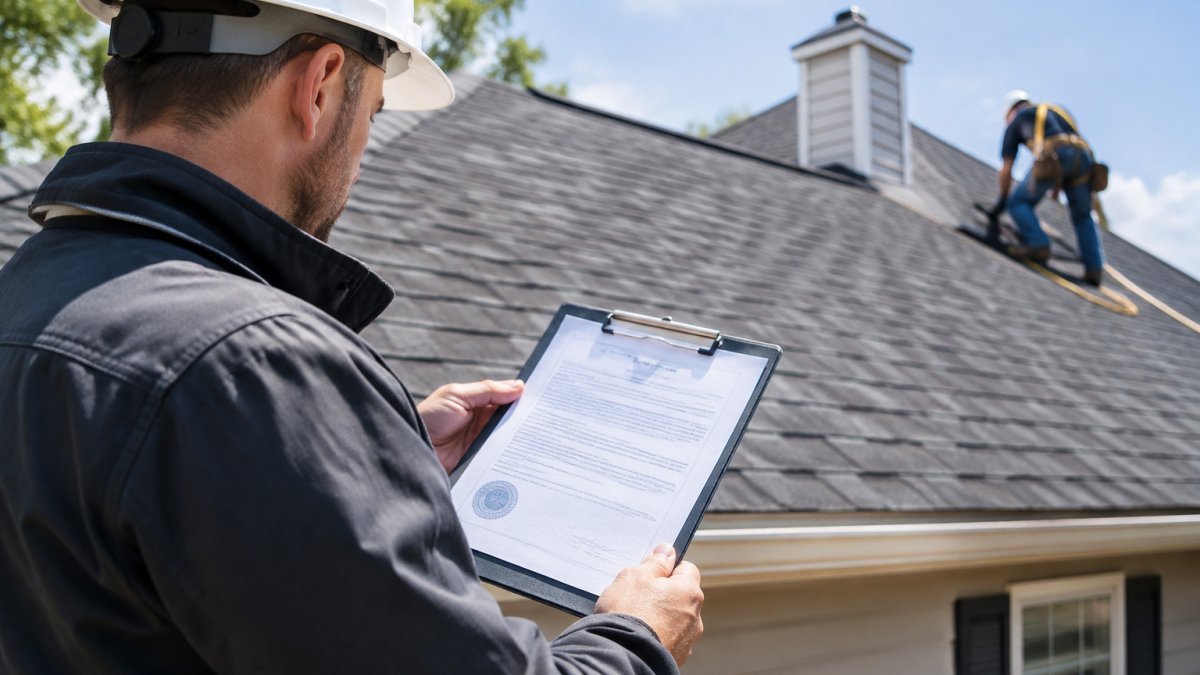
Before you sign anything, confirm that the contractor is properly licensed and insured. Requirements vary by city and county, so check with your local building department for the rules that apply to your property.
Check these items:
- License: Ask for the license number and look it up with your state's contractor licensing board.
- Liability insurance: Request a certificate of insurance and confirm the policy is active.
- Workers' compensation: Ask whether the crew is covered. Without it, an injury on your property could become your problem.
- Permits: Some roof repairs need a permit. Ask the contractor who pulls it and whether the cost is in the estimate.
National Association of Home Builders guidance on hiring licensed contractors
A licensed, insured contractor protects you if something goes wrong, so hire contractor candidates only after you have verified both. For a step-by-step way to confirm coverage, read our guide on verifying contractor insurance coverage.
Questions to Ask Before Hiring a Roofing Contractor
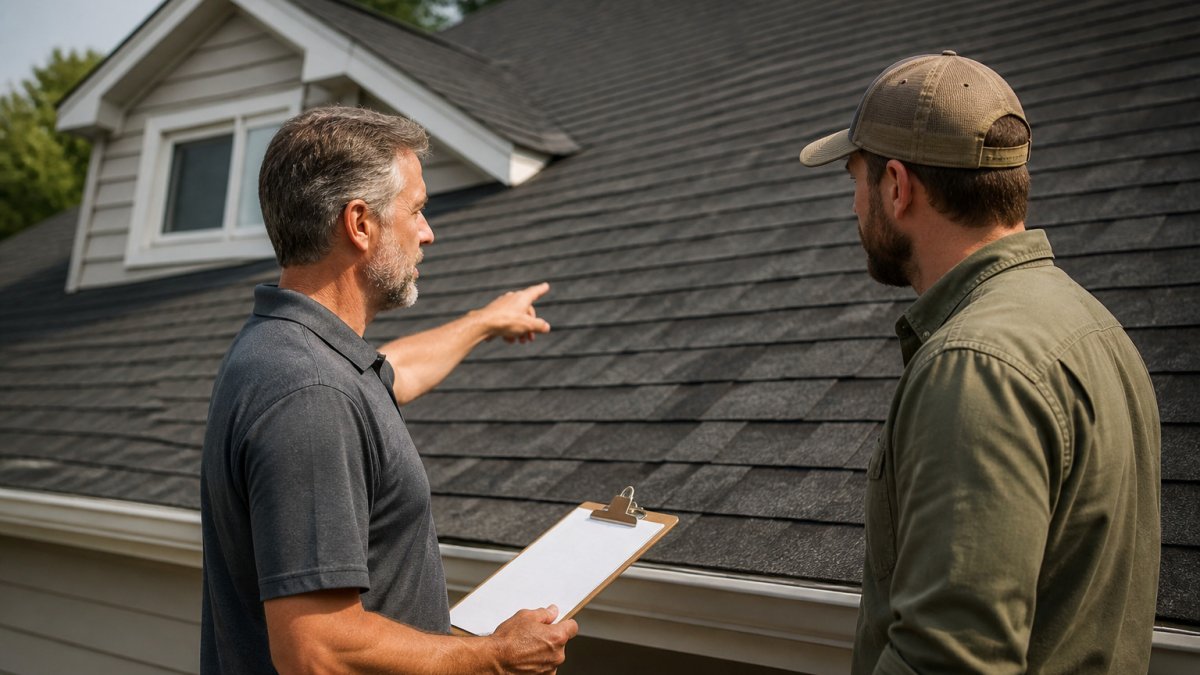
The right questions reveal how a contractor works. Ask these before you agree to anything:
- How long have you been doing residential roof repairs?
- Who will be on the crew, and will you supervise the job yourself?
- What warranty do you offer on labor and materials?
- How will you handle hidden damage you find after starting?
- Who do I contact during the job, and how quickly do you respond?
- Can you provide references from recent small jobs?
Pay attention to vague answers. A contractor who explains the process clearly is usually easier to work with.
Roof Repair Contractor Checklist and Estimate Comparison
Small roofing jobs are where estimates vary the most. Two contractors can look at the same flashing leak and return quotes that differ noticeably, often because they are pricing different scopes. The checklist below helps you compare quotes on equal terms instead of comparing totals.
What a Small-Job Roofing Estimate Should Contain
A credible estimate for a small repair or maintenance job should itemize, at minimum:
- Diagnosis and access: How the contractor will get to the problem area (ladder, roof hatch, harness) and whether setup time is billed.
- Labor by task: Tear-off of damaged material, deck inspection, and installation listed as separate line items rather than one lump sum.
- Materials with quantities: Squares of shingles, rolls of underlayment, flashing pieces, sealant, and fasteners, with unit counts, not just "materials."
- Disposal: Dumpster or haul-away charges, which are easy to omit and then add later.
- Contingency language: A stated rate or process for hidden damage found after tear-off begins.
If an estimate is a single number on a text message, ask for a written, itemized version before you compare it to anything else.
Side-by-Side Comparison Table
Use a table like this to normalize quotes. Fill in what each contractor actually wrote, leave blanks where they omitted something, because omissions are the point.
| Item | Contractor A | Contractor B | Contractor C |
|---|---|---|---|
| Diagnosis method stated | Yes | No | Yes |
| Labor itemized by task | Yes | Lump sum | Yes |
| Materials with quantities | Yes | "Materials included" | Partial |
| Disposal included | Yes | Not stated | Yes |
| Hidden-damage process | Written rate | Verbal only | Written rate |
| Permit responsibility | Contractor pulls | Homeowner pulls | Contractor pulls |
| Labor warranty | 1 year | 2 years | 1 year |
| Start window | Within 1 week | Within 3 weeks | Within 2 weeks |
| Payment schedule | Deposit + completion | Full upfront | Deposit + milestones |
Judge estimates by scope and terms, not only by the total. A quote that is higher on paper may still be the better value once disposal, permit handling, and a written hidden-damage rate are considered.
Red Flags in Small-Job Roofing Estimates
- No diagnosis line. If the estimate does not say how the contractor identified the problem, they may be guessing.
- "We'll see when we get up there." Some contingency is normal on roofs, but the process and rate should be in writing.
- Full payment requested upfront. A deposit to cover materials is common; the full job price before work starts is not.
- No permit discussion. Even when a permit is not required, a contractor should be able to tell you why.
- Warranty only verbal. Ask for it in the written estimate.
Roofing Contractor Estimate Checklist
Before you accept any estimate, confirm:
- The estimate lists labor and materials separately, with quantities
- It covers the exact problem you described in your written scope
- It states what happens, and at what rate, if extra damage is found
- It names the payment schedule and deposit amount
- It states who pulls the permit and who pays the fee
What to Include in a Roofing Contract and Payment Terms
A written contract is your main protection on a small roofing job, precisely because small jobs are often handled with a handshake and a text message. The contract should be short enough to read in one sitting but specific enough that neither side has to guess.
Scope of Work
The scope should restate the written summary you prepared before calling anyone, plus what the contractor found during diagnosis. Include:
- The specific roof areas and components covered (for example, "flashing at the chimney base and the two rows of shingles above it").
- Materials by type and quantity.
- What is explicitly not included, full roof replacement, gutter work, interior drywall repair, and so on.
- The hidden-damage process: who decides whether to proceed, at what rate, and whether you get a revised written price before work continues.
Price and Payment Schedule
Structure payments around completed work, not around the calendar:
- Deposit: A materials deposit is common on roofing jobs because shingles and flashing are purchased up front. Keep it proportionate to the material cost, and get a receipt.
- Progress payment: For a small job, one midpoint payment tied to a defined milestone (tear-off and deck inspection complete, for example) is usually enough.
- Final payment: Released only after you have walked the job, confirmed cleanup, and received the warranty documents.
Avoid any schedule that requires the full price before work is finished. If a contractor insists on full payment upfront, treat that as a reason to keep looking.
Timeline and Weather Delays
Roofing is weather-dependent. The contract should state the start window, the expected duration, and how weather delays are handled, including whether the crew will tarp an open roof before leaving for the day. Ask that question directly; the answer tells you a lot about how the contractor operates.
Permits and Inspections
State who obtains the permit, who pays the fee, and who is responsible for scheduling any required inspection. If the contractor says no permit is needed, ask them to note that in the contract so the responsibility is clear.
Warranty
Separate the two warranties in writing:
- Labor warranty: The contractor's own guarantee on installation workmanship, with length and what voids it.
- Material warranty: The manufacturer's coverage on shingles, flashing, and underlayment, which is usually separate and may require registration.
Change Orders
Any change to scope, materials, or price should be a written change order signed by both parties before the work proceeds. Verbal approvals on a roof job are how disputes start. A one-page change-order form is enough.
Insurance and License Attachments
Attach copies of the contractor's license and certificate of insurance to the signed contract. Confirm the certificate lists active general liability coverage and workers' compensation, and check the expiration dates.
Warning Signs in a Roofing Contract
- Large upfront payment demands with no materials breakdown
- No written scope, just a total price
- No hidden-damage language
- Warranty described only verbally
- No start window or completion estimate
For a step-by-step way to confirm coverage before you sign, read our guide on verifying contractor insurance coverage.
Booking Your Small Job With a Contractor You've Vetted
Once you have chosen a contractor, confirm the details in writing. Send an email that restates the scope, price, and start date. Ask for a confirmed appointment time.
To keep the job on track, ask for a daily or weekly update and set a check-in point before the crew arrives. If you are planning ahead, our guide on avoiding roofing delays explains common causes and how to prevent them. When you are ready to request a formal price, read how to get a quote for home renovation.
Frequently Asked Questions
How do I find a contractor for a small roofing job?
Start with referrals from neighbors and local property managers, then check online reviews and confirm that candidates regularly take small repairs. Many contractors prefer larger projects, so ask directly whether a small roof repair fits their schedule before requesting an estimate. Visit a few candidates' completed work when possible, and compare at least two or three options so you can judge responsiveness, clarity and professionalism.
How can I verify a roofing contractor's license and insurance?
Ask for the license number and insurance certificate in writing, then confirm both with your state licensing board and the insurance carrier listed on the certificate. Check that general liability and workers' compensation coverage are current, since uninsured workers can leave you responsible for injuries on your property. Verification takes only a few minutes and prevents costly problems later.
Should I get multiple estimates for a small roof repair?
Yes. Getting at least two or three written estimates shows you the range of approaches and helps you spot a quote that is unusually low or vague. Make sure each estimate describes the same scope of work, materials and warranty so the numbers are comparable. Pricing depends on the size of the repair, materials and timing, so contact M7 LLC directly for a current quote.
What should a roofing contract include?
A solid roofing contract names the scope of work, materials, start and completion dates, payment schedule, warranty terms, cleanup responsibilities and who handles permits. It should also state how changes to the scope are approved in writing and who is responsible if damage occurs during the work. Review the contract carefully before signing and keep a copy of every version.
Ready to get started? Contact M7 LLC to talk through your roofing repair and receive a clear, written estimate for your small residential job.