 how-to
How to Avoid Roofing Delays: A Homeowner's Guide
Table of Contents
- Start With Pre-Planning and Design Specifications
- Understand the Average Roof Replacement Duration
- Navigate the Roofing Permit Process Timeline
- Establish Clear Contractor Communication
- Implement Roofing Project Management Best Practices
- Recognize Signs of Poor Quality Roofing Installation
- Build Contingency and Handle Unexpected Issues
- Frequently Asked Questions
Last Updated: October 9, 2026
Start With Pre-Planning and Design Specifications
To avoid roofing delays, planning must begin long before the first nail is driven.
Document Your Roofing Scope Clearly
Create a detailed written description of exactly what work needs to be done. This document becomes your reference point throughout the project.
Your scope should include:
- Square footage of the roof area being replaced or repaired
- Current roofing material and condition
- New material type and color specifications
A vague scope leads to misunderstandings. When your contractor says "roof replacement" and you assume that includes new flashing, gutters, and fascia repair, you're setting yourself up for conflict.
Get Architectural Drawings and Building Code Review
Local building codes dictate the materials, installation methods, and structural requirements for your roof, and every jurisdiction has different rules on pitch, ventilation, and fire ratings.
Before hiring a contractor:
- Obtain a copy of your local building codes for roofing
- Request the contractor review your home's current roof structure
- Confirm compliance with current code standards
This prevents costly rework: a roof that doesn't meet code must be torn off and redone.
Understand the Average Roof Replacement Duration
Most residential roof replacements take 3 to 7 days, depending on size and complexity. Knowing typical timelines helps you spot unrealistic promises.
Typical Timelines by Project Type
A straightforward asphalt shingle replacement on a single-story home usually takes 3 to 5 days: the crew removes old material, inspects the deck, repairs damage, and installs new shingles.
Metal roofing installations typically require 5 to 10 days because the fastening process is more precise and requires specialized equipment.
Repair work is harder to estimate: a few missing shingles might take hours, while structural damage requiring deck replacement can add weeks.
Material Lead Times and Procurement
Material delays are a leading cause of extended timelines, so confirming availability before signing helps you avoid roofing delays.
Key questions to ask your contractor:
- What materials are in stock versus special order?
- How long does special order material take to arrive?
- What happens if material is damaged during delivery?
Specialty materials like metal panels, premium architectural shingles, or custom flashing can take 4 to 8 weeks to arrive. Smart contractors order during planning, not after you've signed.
Navigate the Roofing Permit Process Timeline
Most roofing projects require permits. The process adds time but protects you.
Plan for Permit Approval Windows
Permit approval typically takes 1 to 3 weeks depending on your jurisdiction, some areas process in days, others take a month.
Before work begins:
- Ask your contractor who handles permit applications
- Confirm your local permit requirements in writing
- Ask about typical approval timelines in your area
Never hire a contractor who suggests skipping permits. Unpermitted work creates liability: your insurance may not cover problems, and it becomes a disclosure issue when you sell.
Schedule Inspections and Milestone Tracking
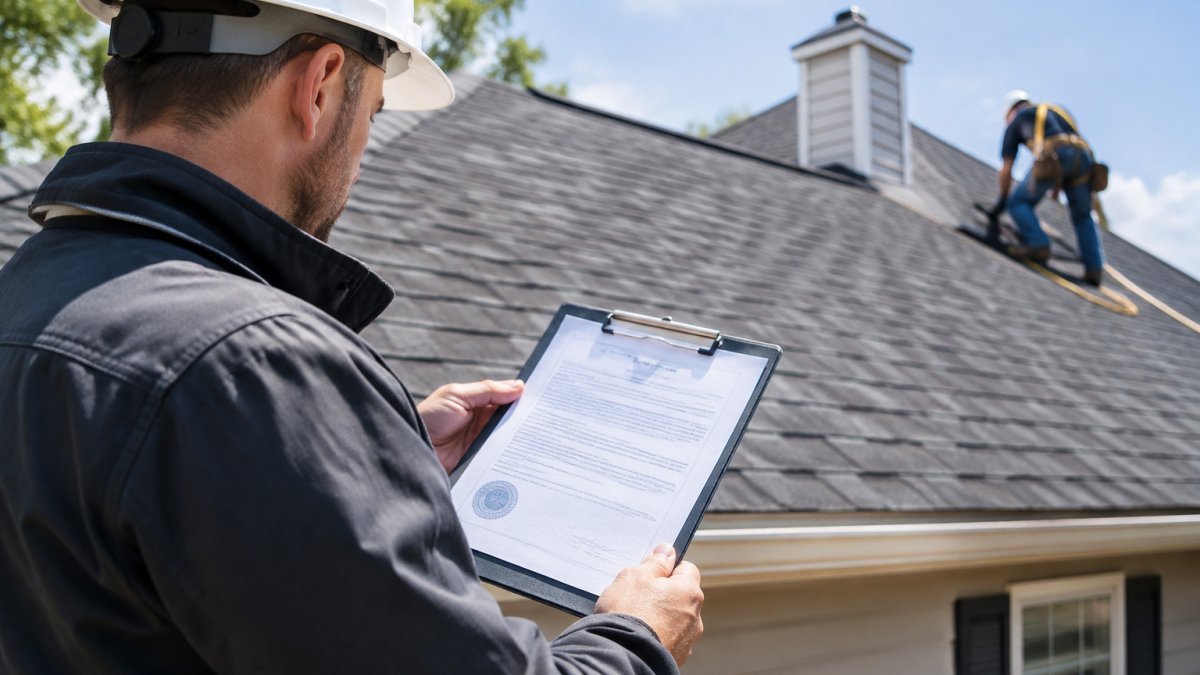
Most jurisdictions require at least one inspection, typically a roof deck inspection before new material goes on and a final inspection after installation. Schedule early; inspectors often need 3 to 5 days notice.
Track milestones in writing, permit approval, material delivery, work start, inspection dates, and expected completion, to create accountability and early warning if the project falls behind.
Establish Clear Contractor Communication
Poor communication is the root cause of most renovation frustrations, but "we'll keep you posted" is not a plan. On a roofing project, the difference between a two-day slip and a two-week slip is how fast a problem travels from the crew on the roof to the person writing the check.
Set Expectations and Update Frequency
Before work begins, agree on a written communication schedule. A workable default:
- A pre-start walkthrough the day before tear-off, confirming crew arrival, dumpster placement, and driveway access
- A daily end-of-day text with two or three photos and a one-line status
- A same-day call for any issue that changes scope, cost, or schedule
Put this in the contract as a communication clause, not a verbal promise, including the contractor's direct phone number and a stated response window, for example, "contractor will acknowledge any homeowner question within four business hours during active work." A response window turns a plan into an accountability tool.
Ask how unexpected discoveries are handled. If the crew pulls shingles and finds rotted decking, who decides whether to replace the sheathing, how is the added cost approved, and how quickly are you notified? The answer should be a written change-order process, not a phone call from the roof.
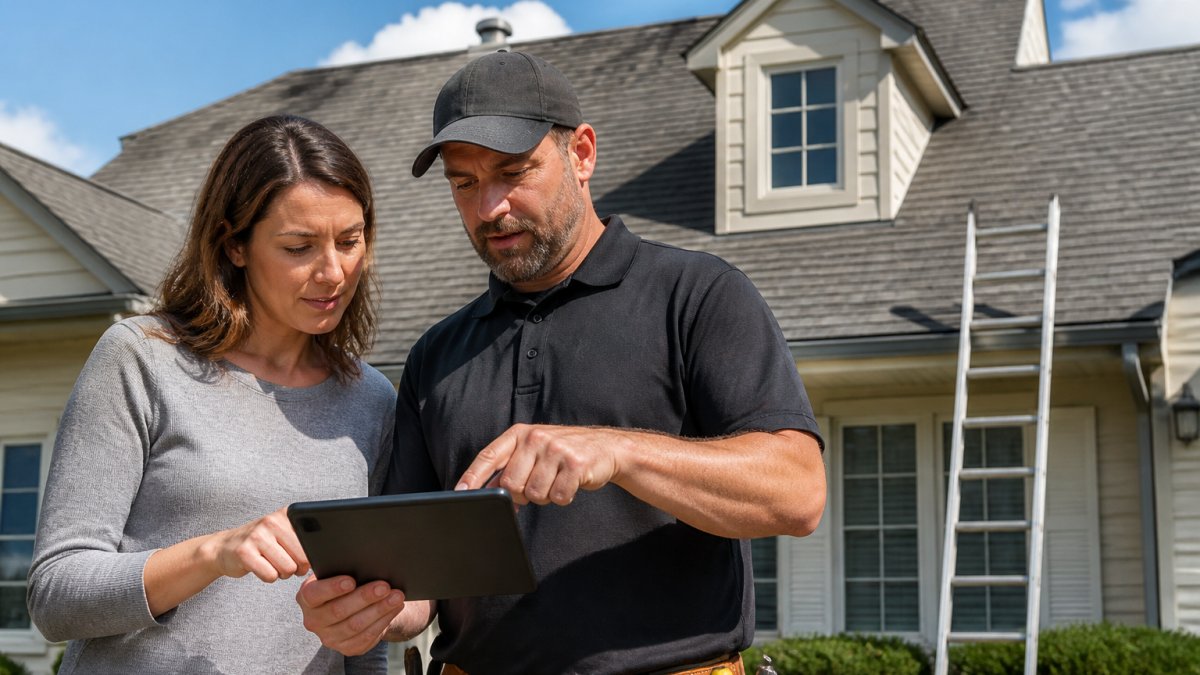
Use Digital Tools for Project Transparency
Homeowners benefit when progress is visible without a phone call:
- Contractor-side platforms such as AccuLynx, JobNimbus, or CompanyCam are common in the roofing trade. CompanyCam is widely used for time-stamped, GPS-tagged job photos, exactly the documentation you want if a dispute arises.
- General project trackers like Buildertrend or CoConstruct give homeowners a login for schedule, photos, change orders, and payment milestones.
- Low-tech fallbacks, a shared photo album, group text, or milestone spreadsheet, work fine. The point is a written, dated record, not a specific app.
What to look for in whatever system is used:
- Daily photos with dates attached, not just a final gallery
- A visible schedule that updates when dates slip
- Change orders stored in the same place as the original contract
If your contractor doesn't use digital tools, ask for daily photos by email or text. Keep those messages, if a dispute reaches mediation or small claims, a time-stamped photo thread beats your memory.
Implement Roofing Project Management Best Practices
Successful roofing projects require active oversight. You don't need to be on-site daily, but you need a system to track progress.
Track Milestones and Resource Allocation
Create a simple timeline with key dates, material delivery, work start, expected completion, inspections, and payment schedule tied to completion.
Resource allocation issues often cause delays. If your contractor is juggling three projects, your roof gets deprioritized. Ask how many crews will work on your project and whether they're dedicated to you or split between jobs.
Prepare for Weather Delays and Site Conditions
Weather delays are legitimate. Roofing work can't happen in heavy rain or high winds. But contractors should build weather buffer time into their estimates.
When getting quotes, ask:
- What's your typical weather delay buffer?
- How many days do you add to the estimate for weather?
- What happens if we exceed that buffer?
Site condition surprises are common once the old roof comes off: rotted plywood decking, structural damage, asbestos in old material, or improper ventilation. These add cost and time, so budget contingency, most homeowners should expect 5 to 10 percent additional time for unforeseen issues.
Recognize Signs of Poor Quality Roofing Installation
Quality problems often don't show up until after work is complete. Learn what to watch for during installation.
Quality Control Red Flags During Installation
Watch for these warning signs during installation:
Poor nailing patterns suggest rushing, shingles should be nailed in a consistent grid with nails driven straight, not at angles.
Crooked lines indicate the installer isn't measuring, shingles should align in straight rows, and wavy lines mean the deck wasn't prepared or the installer lacks skill.
Exposed fasteners on flashing suggest shortcuts, all flashing fasteners should be covered with roofing cement or sealant, since exposed nails rust and leak.
Gaps around vents and penetrations are a common leak source.
Post-Installation Inspection and Documentation
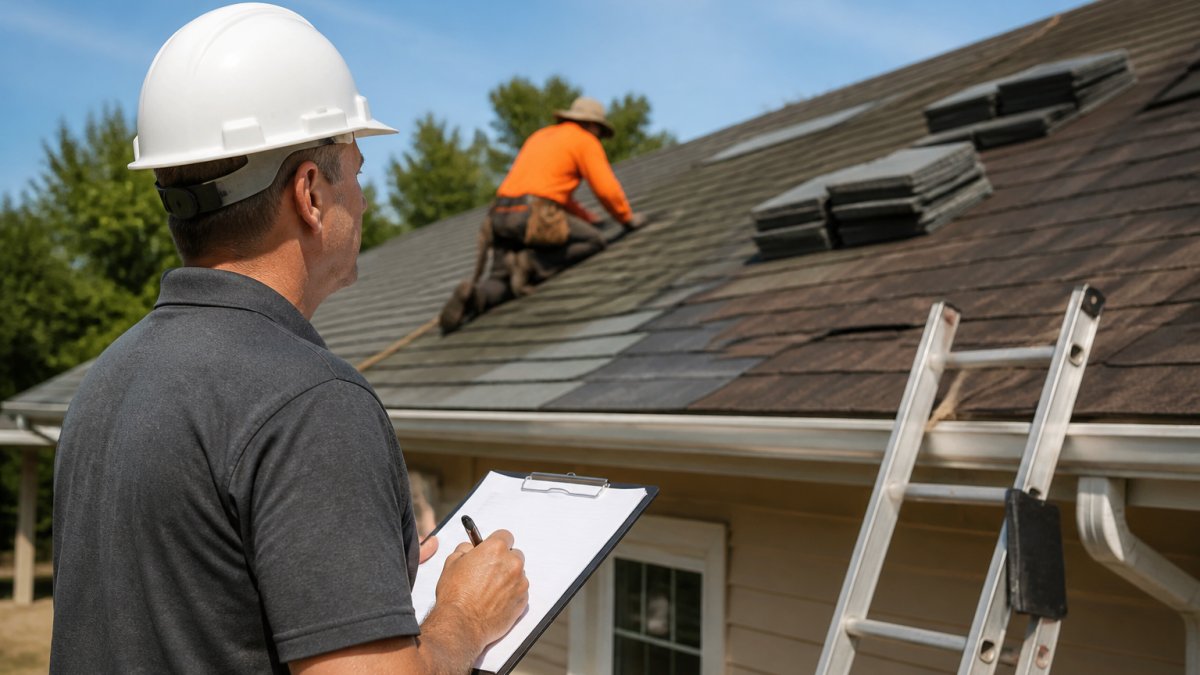
Before paying the final invoice, walk the roof with your contractor (safely, from the ground or a ladder) and ask them to point out how they sealed penetrations, handled flashing details, applied sealant, and maintained ventilation.
Get a written warranty covering material defects, installation workmanship, leak protection for a specific period, and what's excluded.
Build Contingency and Handle Unexpected Issues
Every roofing project has surprises. Homeowners who stay on schedule planned for them in the contract and knew what to do the moment a date slipped.
Budget for Change Orders and Hidden Problems
A change order is a written agreement to modify the original scope and adjust the price. Common roofing change orders include:
- Structural repairs discovered during tear-off (rotted sheathing, damaged rafters, failed decking)
- Upgraded underlayment, ice-and-water shield, or flashing details
- Additional vents, skylights, or chimney flashing
Never agree to a major change verbally. A written change order should specify the work added, the additional cost, the effect on the timeline, and who is authorized to approve it.
For hidden problems, the practical tool is a contingency clause in the contract, not a vague promise to "work it out." State that the contractor will document any discovered condition with photos and a written scope before proceeding, and that work pauses until the homeowner approves in writing.
Establish Contractual Safeguards
Your contract is the most powerful delay-prevention tool you have, and most homeowners never read past the price.
Weather day allowance. Define what counts as a weather delay and how many days are built in.
Warranty clause. Specify the workmanship warranty period in writing, separate from the manufacturer's material warranty.
Dispute resolution clause. Specify how conflicts are handled before they happen.
State-by-state small claims court dollar limits and filing procedures
Recover When the Project Is Already Behind
Prevention is the goal, but sometimes the roof is already late. Once a project is behind, the priority shifts from avoiding delay to containing it. Work through these steps in order:
- Get the delay in writing. Ask for a written explanation of the cause and a revised completion date. A verbal "we'll be there next week" is not a plan.
- Separate excusable from inexcusable delay. Weather, permit backlogs, and supplier shortages are generally excusable; crew no-shows, material never ordered, and a contractor juggling too many jobs are not. The distinction determines whether the liquidated damages clock keeps running.
- Re-anchor the schedule around the critical path. Identify what must happen next, decking inspection, material delivery, inspection sign-off, and confirm a date for each.
- Tie remaining payments to completed milestones. Hold any final payment against the revised completion date and final inspection, not a calendar date.
- Document everything. Photos, texts, emails, and change orders are your leverage if the delay becomes a dispute.
- Escalate deliberately. Start with a written demand citing the contract's completion date and any liquidated damages clause. If that fails, mediation is usually next, followed by your state's contractor licensing board or small claims court.
Frequently Asked Questions
What are the most common causes of roofing project delays?
Material lead times, permit approval delays, weather conditions, and poor contractor communication are the primary culprits. Unexpected structural issues discovered during installation, such as hidden water damage or deteriorated decking, can also extend timelines significantly. Scope creep from change orders and subcontractor coordination problems add further delays. Planning ahead for these factors and maintaining clear communication with your roofing contractor helps minimize disruptions.
How can I ensure my roofing contractor stays on schedule?
Establish a detailed project timeline during the initial contract phase and require regular progress updates. Use digital project management tools to track milestones and maintain transparent communication. Set clear expectations about notification procedures for delays, and include specific completion dates with contractual obligations. Schedule regular site inspections to verify quality control and catch issues early. A contractor who provides weekly updates and responds promptly to questions is more likely to keep your roofing project on track.
Does weather significantly impact roof replacement timelines?
Yes, weather is a major factor in roofing schedules. Rain, high winds, and extreme temperatures make installation unsafe and can damage materials. Most roofing contractors build weather contingencies into their timelines, typically adding 1-2 weeks of buffer for seasonal weather patterns. Winter projects face longer delays than summer work. Discuss weather-related contingencies with your contractor upfront and understand how they define weather conditions that halt work to avoid disputes over project delays.
What should I look for to avoid poor quality roofing installation?
Watch for improper nail spacing, uneven shingle alignment, gaps in flashing, and inadequate ventilation during installation. After completion, inspect for missing or lifted shingles, exposed nails, and poor sealant application. Request a post-installation quality control inspection and ask for documentation of building code compliance. A reputable roofing contractor will welcome inspections and provide warranties covering workmanship. If you notice signs of poor quality roofing installation early, address them immediately rather than waiting for problems to worsen.