 how-to
Get a Quote for Home Renovation: A Step-by-Step Guide
Table of Contents
- How to Get a Quote for Home Renovation
- Questions to Ask Before Hiring Contractors
- Home Renovation Cost Breakdown Template
- Red Flags in Contractor Estimates
- How to Negotiate Renovation Quotes
- Comparing Multiple Bids and Selecting Your Contractor
- Securing Your Quote and Moving Forward
- Frequently Asked Questions
Last Updated: October 4, 2026
How to Get a Quote for Home Renovation
Getting a quote for home renovation is one of the most important steps before hiring a contractor. A solid quote protects you from surprises, sets clear expectations, and gives you the information you need to make a confident decision. But most homeowners don't know what to ask for or how to evaluate what they receive.
The difference between a vague estimate and a detailed quote can cost thousands of dollars. This guide walks you through exactly how to get a quote for home renovation that's complete, accurate, and actually useful for comparing contractors.
Prepare Your Project Details
Before you contact a single contractor, you need to know what you're renovating. Vague requests produce vague quotes. Specific requests produce specific numbers.
Start by documenting the scope of work. Measure the square footage of the area being renovated. Take photos from multiple angles. Note the current condition: Are there structural issues? Water damage? Outdated systems? Write down everything you want changed, added, or removed.
Create a simple list of your goals. Do you want cosmetic updates, or are you addressing functional problems? Are you upgrading materials, or replacing like-for-like? The more detail you provide, the more accurate your quote for home renovation will be.
Gather any existing documentation. If you have architectural plans, building permits, or previous contractor reports, include those. If you're renovating a kitchen or bathroom, decide on finishes now: cabinet style, countertop material, flooring type, fixtures. Contractors can't quote accurately without these details.
Set a realistic timeline. When do you want the work to start? When does it need to be finished? Contractors charge differently based on urgency and scheduling constraints. Being clear about your timeline helps them give you an honest quote for home renovation.
Identify Qualified Contractors
Not every contractor can deliver quality work. Finding the right one starts with knowing where to look and what credentials matter.
Ask for referrals from people you trust. Friends, family, and neighbors who've completed renovations can tell you which contractors showed up on time, communicated clearly, and delivered quality work. Personal recommendations are worth more than online reviews alone.
Check licensing and insurance. A licensed professional has met training requirements and passed exams. Insurance protects you if something goes wrong on the job site. Ask contractors for proof of both before you request a quote for home renovation.
Verify their experience with your specific project type. A contractor who specializes in kitchen renovations may not be the best choice for a bathroom or addition. Look at their portfolio. Ask how many similar projects they've completed in the last three years.
Review their references. Don't just accept a list of names, actually call those references and ask specific questions: Did the contractor finish on time? Did costs stay within the original quote? Would they hire this contractor again?
Check for complaints with your state's licensing board or the Better Business Bureau. One or two complaints may be normal in any business. A pattern of unresolved complaints is a red flag.
Questions to Ask Before Hiring Contractors
Asking the right questions before you hire reveals whether a contractor is trustworthy and organized. These questions separate professionals from amateurs.
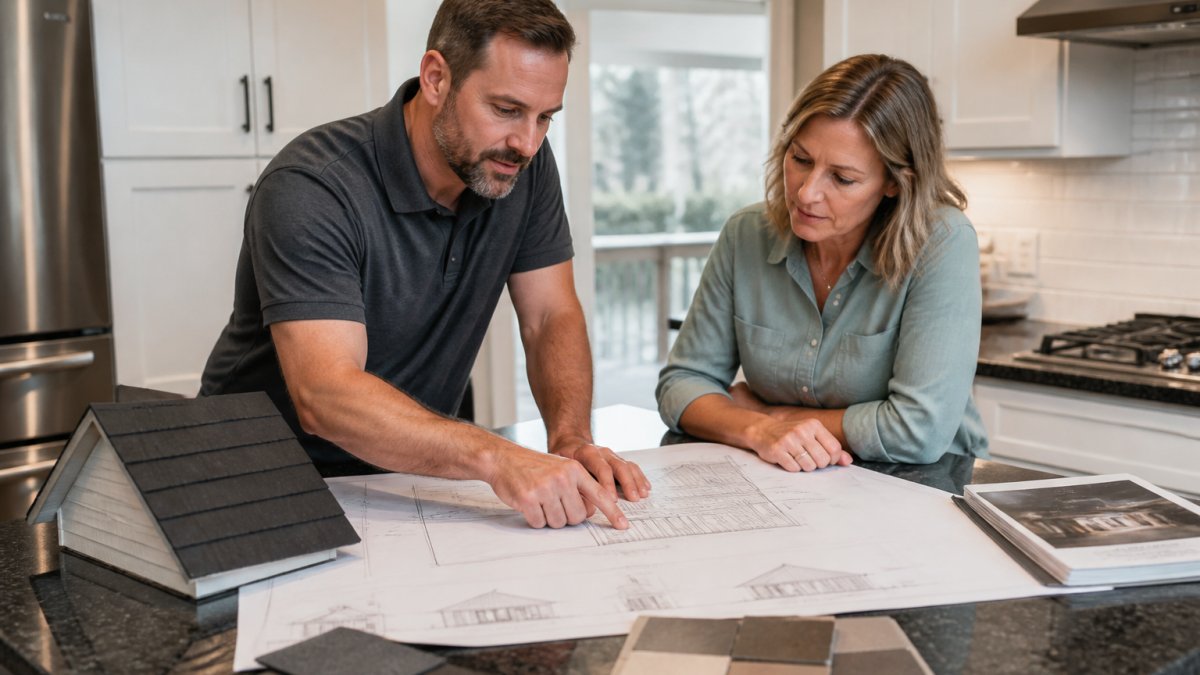
What's included in your bid? A complete quote for home renovation lists every material, labor cost, and service.
What's your payment schedule? Legitimate contractors don't ask for full payment upfront.
Are you licensed and insured? Ask to see current licenses and insurance certificates. Call the insurance company to verify the policy is active.
How long will the project take? Get a specific timeline with start and end dates. Ask what factors could delay the schedule.
What happens if costs exceed the quote? A professional explains what could trigger change orders and how they'll notify you before spending extra money.
Who will supervise the work? Will the owner oversee your project, or a project manager?
What's your warranty? Most contractors offer a one-year workmanship warranty. Some offer longer. Get it in writing. Understand what's covered and how claims are handled.
Do you pull permits? Permits ensure work meets building codes and gets inspected. A contractor who avoids permits is cutting corners.
Will you provide a detailed scope of work? The scope document lists every task, material specification, and deliverable. It's the foundation of your contract.
Home Renovation Cost Breakdown Template
Understanding where renovation money goes helps you spot realistic quotes from inflated ones. Here's how costs typically break down:
| Cost Category | Typical Range | What's Included |
|---|---|---|
| Labor | 40-60% of total | Contractor time, crew wages, supervision |
| Materials | 25-40% of total | Products, fixtures, finishes, supplies |
| Permits & Inspections | 2-5% of total | Building permits, inspection fees |
| Equipment & Tools | 5-10% of total | Rental equipment, specialized tools |
| Contingency | 10-15% of total | Unexpected issues, change orders |
| Overhead & Profit | 10-20% of total | Business expenses, contractor margin |
The exact percentages shift based on your project type. A kitchen renovation with high-end finishes may spend more on materials. A structural repair may spend more on labor.
When you get a quote for home renovation, ask the contractor to break down costs using this framework. A professional contractor can tell you exactly what percentage goes to labor versus materials. If they can't, they haven't planned the project thoroughly.
Watch for quotes that lump everything together. "Kitchen remodel: $45,000" tells you nothing. "Materials: $18,000. Labor: $22,000. Permits: $1,200. Contingency: $3,800" tells you exactly what you're paying for.
The contingency line matters. Renovations almost always uncover surprises, hidden water damage, outdated wiring, structural issues. A 10-15% contingency fund protects you from sticker shock when those surprises appear.
Red Flags in Contractor Estimates
Certain warning signs in a quote for home renovation suggest the contractor isn't being honest or hasn't done their homework.
Estimates instead of quotes. An estimate is a rough guess. A quote is a binding commitment.
Vague line items. "Labor: $10,000" or "Materials: $15,000" without detail is useless. You can't verify it or compare it to other quotes. Demand itemization.
Significantly lower than other quotes. If one contractor is 20-30% cheaper than the others, ask why. Sometimes it's efficiency.
No contingency fund. A quote that doesn't include a contingency suggests the contractor either doesn't understand the risks or plans to charge you for surprises as change orders.
Pressure to decide quickly. "This price is only good until Friday" or "I have another client interested" are sales tactics, not legitimate reasons to rush.
Unwillingness to put it in writing. Everything should be documented. Handshake agreements lead to disputes.
No license or insurance information. This is non-negotiable. A contractor who won't provide proof of licensing and insurance is either unlicensed or uninsured, both are serious problems.
References that won't call back. If you can't reach the contractor's references, or if they're reluctant to talk, that's suspicious. Good contractors have satisfied customers willing to vouch for them.
How to Negotiate Renovation Quotes
You don't have to accept a quote as-is. Negotiation is normal in the construction industry.
Start by understanding what you're negotiating. Are you negotiating price, timeline, scope, or payment terms? Each one affects the contractor's ability to deliver quality work.
Use multiple quotes as use. When you have three detailed quotes for home renovation, you can identify where costs differ. If one contractor charges significantly more for labor, ask the others why.
Focus on value, not just price. A slightly higher quote might include better materials, longer warranty, or more experienced crews. Sometimes paying more saves money long-term.
Negotiate scope strategically. If the total cost is higher than your budget, ask which tasks could be phased. Could you do cosmetic finishes now and structural work later? Could you reduce square footage?
Negotiate timeline if it affects cost. A contractor might offer a lower price if you're flexible on scheduling. If they can fit your project between two others, they save overhead.
Get changes in writing. Once you've negotiated a quote for home renovation, make sure every change is documented and signed by both parties. Verbal agreements about price changes lead to disputes.
Don't negotiate payment terms downward. A contractor who demands 50% down isn't being greedy, they're protecting themselves from the cost of materials and labor before you pay.
Comparing Multiple Bids and Selecting Your Contractor
Comparing quotes requires more than just looking at the bottom line number.
Create a comparison spreadsheet. List each contractor's name, license number, insurance information, and total price. Add columns for each major cost category: labor, materials, permits, contingency. This makes differences visible.
Score each contractor on non-price factors. Create a simple rubric: communication (did they respond quickly and answer questions clearly?), experience (how many similar projects have they completed?), references (what did past clients say?), timeline (does their schedule work for you?), warranty (what's included?).
Weight the factors that matter most to you. If timeline is critical, weight that heavily. If warranty is important, score that high. This prevents you from choosing based solely on price.
Look for consistency. A contractor who communicates clearly during the quoting process usually communicates clearly during the job. One who is vague or evasive now will likely be the same during renovation.
Trust your gut about personality fit. You'll be living with this contractor's presence in your home for weeks or months. If you don't trust someone or feel uncomfortable around them, that matters.
Don't automatically choose the lowest bid. The cheapest quote for home renovation often becomes the most expensive once change orders and delays pile up. Choose the contractor who offers the best combination of price, experience, communication, and reliability.
Securing Your Quote and Moving Forward
Once you've selected a contractor, formalize everything in a written agreement.
The contract should include: detailed scope of work, complete cost breakdown, payment schedule, timeline with start and end dates, warranty terms, and change order procedures.
Get a copy of the signed contract. Keep it accessible throughout the project. Refer to it if questions arise about what was promised.
Confirm the payment schedule in writing. Specify dates or project milestones when payments are due. Arrange how you'll pay (check, bank transfer, credit card).
Establish communication expectations. How often will the contractor update you? Who's your primary contact? When can you reach them? Clear communication prevents small issues from becoming big problems.
Take photos before work begins. Document the existing condition of the space. These photos protect you if there's a dispute about damage or existing conditions.
Schedule a pre-construction meeting. Walk the site with the contractor, point out access points, discuss where crews will park and where materials will be stored. Confirm the start date and expected timeline.
Keep detailed records throughout the project. Save receipts, photos, communications, and change orders. If any issues arise, documentation protects you.
Getting a quote for home renovation doesn't have to be complicated. You just need to know what information to gather, which questions to ask, and how to evaluate what you receive.
Frequently Asked Questions
What documents should be included in a professional renovation quote?
A complete renovation quote must include itemized labor costs, material expenses, project timeline, scope of work description, payment schedule, contractor license and insurance information, and warranty details. The quote should break down costs by phase or trade so you understand exactly what you're paying for. Ask for a fixed-price contract that specifies what happens if site conditions change or unexpected issues arise during the project.
How do I compare quotes from different contractors?
Compare quotes side-by-side using the same scope of work for each contractor. Ensure all bids cover identical materials, finishes, and project scope. Look beyond the total price and examine labor costs, material expenses, and timeline estimates. Check that each contractor is licensed, insured, and provides references. Bid leveling helps identify which contractor offers the best value, not necessarily the lowest price, but the most competitive bid for the quality and timeline you need.
What should you never say to a general contractor?
Avoid telling contractors about your maximum budget, other bids you've received, or that you're desperate to start immediately. Don't dismiss their concerns about site conditions or building codes as unnecessary costs. Never suggest you'll hire unlicensed workers or skip permits. Avoid vague scope descriptions or frequent changes to the project scope. These statements can lead to misunderstandings, inflated costs, or poor workmanship. Instead, focus on clear communication about your goals, timeline, and expectations.
What are the biggest home renovation mistakes to avoid?
Common mistakes include underestimating costs and timelines, failing to get multiple competitive bids, hiring unlicensed contractors to save money, skipping building permits, and not documenting the scope of work in writing. Many homeowners also ignore red flags like contractors requesting large upfront payments or refusing to provide references. Poor pre-construction planning leads to change orders and delays. Get everything in writing, verify licenses and insurance, and build in a contingency budget for unexpected issues discovered during construction.