 listicle
Durable Exterior Renovation Materials 2026
Table of Contents
- Why Durable Exterior Materials Matter for Your Renovation
- Best Roofing Materials for Longevity
- Metal Roofing Pros and Cons
- Roofing Material Weather Resistance
- Roof Inspection and Maintenance Checklist
- Siding and Wall Finishes for Exterior Durability
- Material Selection by Renovation Scenario
- Frequently Asked Questions
Last Updated: October 17, 2026
Why Durable Exterior Materials Matter for Your Renovation
The durable exterior renovation materials you choose for an exterior renovation will outlast the project itself. Whether a roof fails after ten years or lasts decades comes down to material selection, installation quality, and climate demands.
Homeowners often focus on upfront cost, but the real measure is performance over time. A durable exterior renovation material resists weather damage, requires minimal maintenance, and holds its value through seasonal stress.
Best Roofing Materials for Longevity
Metal roofing stands out where durability is the priority. Unlike asphalt shingles, which degrade over 15-20 years, metal roofing systems often outlast the homes they protect, resisting wind, hail, and UV damage.
Metal Roofing: Refined Durability
Modern metal roofing systems offer refined textures and profiles that move beyond the industrial look many homeowners associate with the material, making it a legitimate design choice as well as a durability play.
Metal roofing handles extreme weather without degradation: it sheds water efficiently, resists impact damage, and doesn't absorb moisture the way organic materials do, eliminating many failure modes in heavy rain, snow load, or hail.
Installation quality matters enormously. Improper fastening, inadequate overlap, or poor flashing can undermine even the best material. When M7 LLC handles a metal roofing installation, we focus on these details because they determine whether your roof performs as designed.
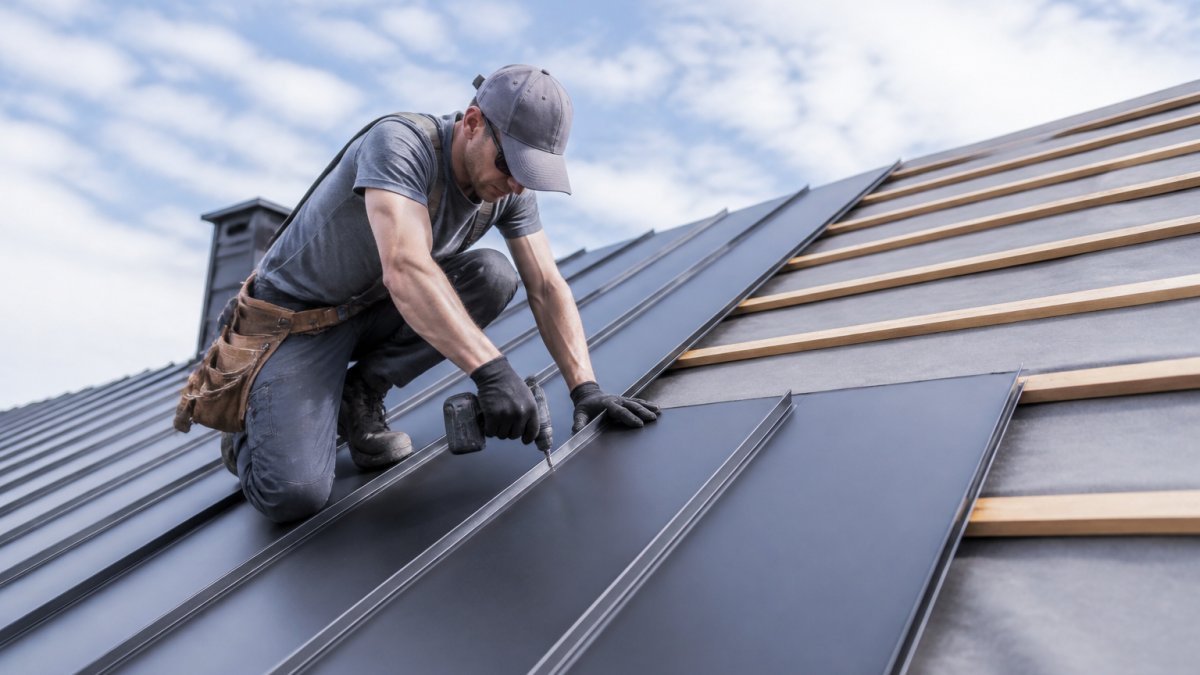
Unified Steel and Newpoint Concrete Options
Unified Steel and Newpoint Concrete represent modern approaches to roofing durability, with refined textures and profiles that enhance curb appeal while outperforming conventional systems.
Both require professional installation. Proper underlayment, flashing, ventilation, and fastening protocols determine whether your roof delivers the durability these materials promise.
Metal Roofing Pros and Cons
Pros:
- Exceptional weather resistance across all climate types
- Minimal maintenance requirements over the roof's lifespan
- Reflects solar heat, reducing cooling costs in warm seasons
- Recyclable at end of life, reducing environmental impact
- Handles high winds and impact damage better than most alternatives
- Long performance lifespan with proper installation
Cons:
- Higher upfront installation cost compared to asphalt shingles
- Requires skilled installation; improper work voids durability benefits
- Thermal expansion and contraction can create noise during temperature swings
- Limited contractor availability in some regions
- Older metal roofing systems may have rust or corrosion issues (modern systems address this)
- Requires specific fastening and flashing protocols to prevent leaks
The tradeoff is clear: you pay more initially but avoid the replacement cycle of traditional roofing, and most property owners find the durability justifies the cost over a 25-30 year horizon.
Roofing Material Weather Resistance
Weather resistance is not a single property, it is a set of separate failure modes, and each roofing material handles them differently. Compare materials against the specific hazards your roof actually faces, not a generic "durable" label.
The four stressors that drive roof failure
Moisture and freeze-thaw. Materials that absorb water, wood shakes, some composite shingles, older organic-mat products, swell when wet and crack when trapped water freezes.
UV degradation. Asphalt shingles lose protective granules and the asphalt beneath embrittles, which is why their service life lands in the 15-20 year range. Metal roofing relies on factory-applied coatings to block UV, and those coatings determine finish life.
Wind uplift. Wind creates uplift pressure at edges, ridges, and corners. What resists uplift is the fastening and edge-metal system, not the panel or shingle alone.
Impact and hail. Impact resistance varies widely within a material category. Some metal profiles and thicker concrete tile resist hail better than thin-gauge panels or lightweight tile; asphalt shingles can lose granules or fracture.
Matching material to hazard
- Coastal salt exposure: Corrosion resistance is the deciding factor. Galvanized steel can corrode faster in salt air; aluminum and coated steel systems with appropriate corrosion ratings are generally preferred near saltwater. Fasteners and flashings must match the corrosion class of the panels, or the roof fails at the fasteners first.
- Wildfire risk: The roof covering and the roof-edge detailing both matter. Class A fire-rated roof coverings, which include many metal, concrete tile, and clay tile systems, are the baseline. Ember entry at vents, eaves, and gaps is a common ignition path, so fire-rated venting and closed edge details are part of the system.
- Freeze-thaw climates: Avoid materials that absorb water. Metal and tile handle cycling well; the critical details are ice-dam protection at the eaves and proper underlayment.
- Hail belts: Look at impact ratings and panel gauge or tile thickness rather than marketing language. A heavier profile generally resists denting better than a thin one.
- High-wind zones: Fastening schedule, edge metal, and panel or shingle attachment are the deciding variables. A material rated for high wind only performs that way when installed to the manufacturer's high-wind detail.
Why installation, not material, decides real-world durability
A common pattern in roof failures is that the covering was adequate but the assembly was not. Flashing lapped the wrong direction, missing underlayment at a valley, fasteners at the wrong spacing or overdriven through the panel, and inadequate attic ventilation all shorten the life of an otherwise durable material. Compare installation requirements and warranty conditions alongside the product itself.
Roof Inspection and Maintenance Checklist
Regular inspection catches problems before they become expensive repairs. A maintenance routine doesn't require specialized skills, but it does require attention to detail.
What to inspect twice yearly (spring and fall):
- Check for fastener corrosion or loosening, especially near edges and valleys
- Look for debris accumulation in gutters and valleys that could trap water
- Inspect flashing around penetrations (vents, chimneys, skylights) for gaps or separation
- Check for any visible rust spots, discoloration, or coating wear
- Look for signs of water damage in the attic or interior ceilings
- Verify that gutters drain properly and aren't sagging
- After storms, check for loose panels, fasteners, or visible damage
When to call a professional:
- Fasteners are corroded or missing
- Flashing is separated or damaged
- You see water stains in the attic
- Panels are bent, dented, or show signs of impact damage
- You're unsure whether damage is cosmetic or structural
M7 LLC recommends professional inspection every 3-5 years, even without visible problems. A trained eye catches issues homeowners miss, improper fastener spacing, inadequate overlap, early-stage corrosion, before water intrusion occurs.
Siding and Wall Finishes for Exterior Durability
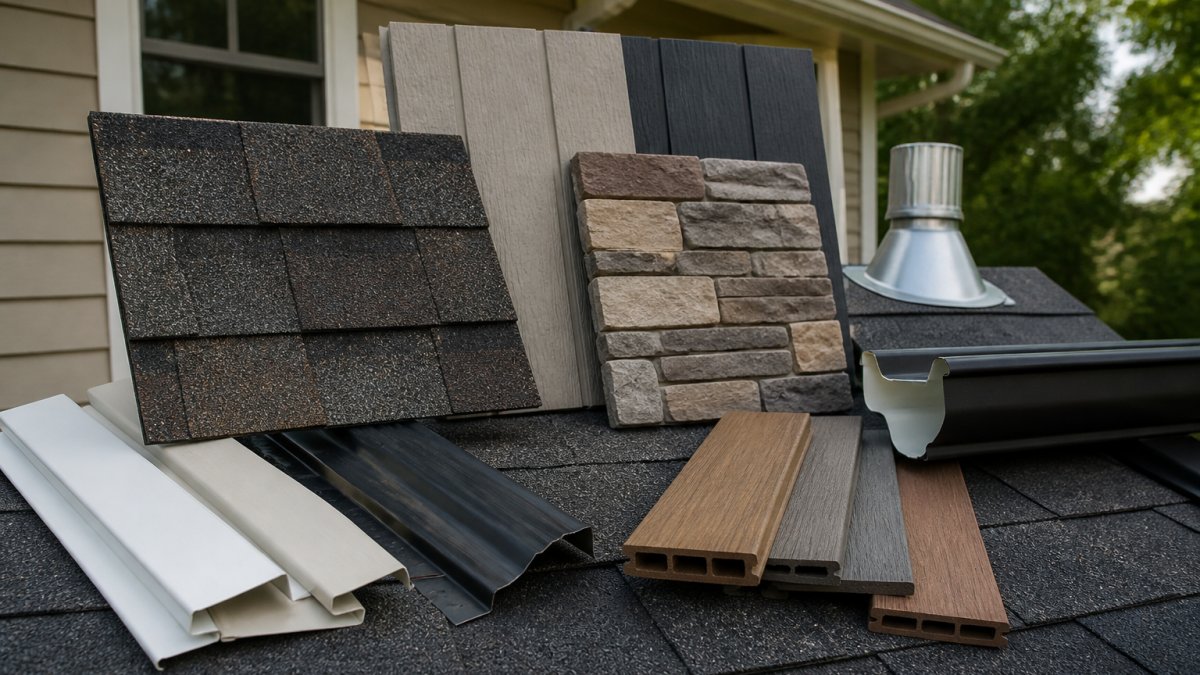
While roofing handles horizontal weather exposure, siding manages vertical surfaces. The best siding materials share roofing's core requirement: they resist moisture penetration and degrade slowly over decades.
Fiber Cement Siding
Installation quality matters here too. Proper fastening, adequate overlap, and correct flashing at transitions determine performance; poor installation can trap moisture behind the panels and undermine the material's inherent durability.
Engineered Wood Composites and Stone Veneer
| Material | Moisture Resistance | Maintenance | Typical Lifespan | Best For |
|---|---|---|---|---|
| Metal Roofing | Excellent | Minimal | 40-50+ years | Long-term durability priority |
| Fiber Cement Siding | Excellent | Low | 25-30 years | Durable walls with low upkeep |
| Engineered Wood Composite | Good | Moderate | 20-25 years | Natural appearance with better durability |
| Stone Veneer | Excellent | Minimal | 50+ years | Permanent exterior finish |
Material Selection by Renovation Scenario
Most material guides stop at "metal lasts longer, asphalt costs less." The more useful question is which roof makes sense for your renovation, whether you are replacing the whole roof, repairing part of it, or coordinating a roof with other exterior work. This section frames the decision around lifecycle cost, repair-versus-replace logic, and the installation and warranty risks that determine whether a durable material actually delivers.
Think in lifecycle cost, not sticker price
A roof's real cost is purchase plus installation plus maintenance plus replacement, spread over the years you own the property. Asphalt shingles carry the lowest upfront cost but a shorter service life and a recurring replacement cycle. Metal, concrete tile, and clay tile cost more upfront but last longer with lower maintenance, which changes the math for long-hold owners. The comparison that matters is cost per year of service, not the invoice on installation day.
A practical way to run the comparison:
- Get the installed cost of each candidate system from a contractor, not the material price alone.
- Estimate the service life under your climate and the manufacturer's maintenance requirements.
- Add expected maintenance (inspections, fastener checks, coating or sealant upkeep) over that life.
- Divide total cost by expected years of service.
- Compare that annualized figure across materials.
Repair versus full replacement
Not every renovation is a full tear-off. The decision hinges on the age and condition of the existing roof, whether the decking is sound, and whether the existing assembly can accept the new material.
- Targeted repair makes sense when damage is localized, a few missing or damaged shingles, a failed flashing at a chimney or vent, or storm damage confined to one slope, and the rest of the roof has meaningful service life left.
- Full replacement makes sense when the roof is near or past its expected service life, when damage is widespread, when the decking shows rot or soft spots, or when you are switching to a material with different weight and fastening requirements that the existing assembly was not built for.
- A middle path is a overlay or re-cover where local code and the manufacturer allow it, but this can trap moisture and shorten the new roof's life if the existing assembly is compromised. Many contractors avoid it for that reason.
Scenario-based recommendations
Roof replacement on a property you may sell within a few years: A mid-range system with a solid warranty and good curb appeal may recover more at resale than a premium system whose cost you will not fully amortize.
Storm-damaged roof with insurance involvement: Document the damage before repairs, confirm what the policy covers, and match the replacement material to the insurer's scope. Upgrading to a more durable material mid-claim often requires paying the difference out of pocket.
Roof coordinated with siding or exterior work: If the roof and walls are renovated together, align the service lives. A 40-year roof over 20-year siding creates a mismatched replacement schedule.
Historic or architecturally sensitive homes: Material choice may be constrained by appearance and local historic-preservation requirements. Matching the original profile and material often matters more than maximizing service life.
The installation and warranty risk most guides skip
A durable material installed poorly is not a durable roof. The variables that most often determine real-world performance, underlayment, flashing, ventilation, and fastening, are also the most common warranty exclusions. Before signing, confirm:
- The installer follows the manufacturer's written installation instructions.
- The warranty covers labor as well as materials, and understand the proration schedule.
- Transferability terms if you sell the property.
- Whether ventilation is adequate for the chosen system, since inadequate ventilation can void coverage.
Frequently Asked Questions
What roofing material lasts the longest?
Metal roofing stands out for exceptional longevity, often lasting 40-70 years with proper maintenance. Products like Unified Steel and Newpoint Concrete offer refined durability profiles. Lifespan depends on installation quality, climate exposure, and regular maintenance. Schedule annual roof inspections to catch wear early and extend your material's life.
How do you choose roofing materials for a roof replacement?
Start by assessing your climate and weather resistance needs. Metal roofing excels in harsh conditions. Consider maintenance requirements, some materials demand more attention than others. Evaluate your property's architectural style and curb appeal goals. Professional roof inspection can reveal what failed in your previous system. Get quotes from experienced contractors familiar with durable exterior materials.
Which roofing materials require the least maintenance?
Metal roofing and fiber cement products rank among the lowest-maintenance options. They resist moisture, weathering, and pest damage without frequent repairs. Establish a roof inspection and maintenance checklist twice yearly to catch debris, flashing issues, or early wear. Most durable materials reduce maintenance costs over their lifespan compared to cheaper alternatives.
What roofing materials are best for harsh weather?
Metal roofing offers superior roofing material weather resistance in storms, high winds, and extreme temperature swings. The refined textures and profiles of modern options like Unified Steel enhance both durability and performance. Professional installation ensures proper fastening and sealing against moisture infiltration.