 blog
blog
Signs of Poor Quality Home Renovation: What to Watch For
Table of Contents
- Paint and Surface Finish Defects That Signal Poor Workmanship
- Structural Integrity Issues and Thin Walls
- How to Identify Shoddy Construction Work: Electrical and Plumbing Code Violations
- Tiling, Grout, and Flooring Installation Errors
- Door, Window, and Cabinetry Alignment Problems
- Home Inspection Checklist for Renovations: What to Verify
- Questions to Ask a Renovation Contractor Before Work Begins
- Frequently Asked Questions
Last Updated: September 28, 2026
Paint and Surface Finish Defects That Signal Poor Workmanship
Peeling paint is one of the easiest red flags to spot. Poor surface preparation causes paint to fail. Before painting, contractors should clean, sand, and prime surfaces properly. If they skip these steps, the paint won't stick.
Uneven coverage tells you the job was rushed. Look for thick spots next to thin ones. Brush marks and roller lines that are visible mean the painter didn't apply enough coats. Quality work has smooth, consistent color across the entire surface.
Check corners and edges carefully. These areas show whether a painter took time on detail work. Sloppy edges suggest the contractor cut corners elsewhere too.
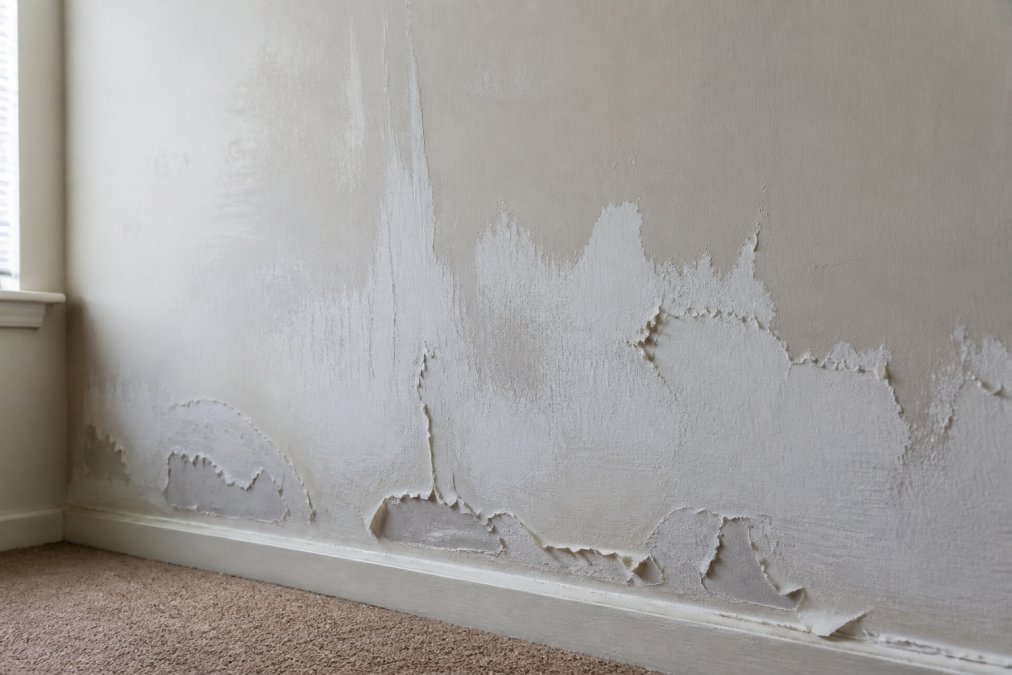
Caulking problems are common in poor quality home renovation projects. Gaps between trim and walls should be filled smoothly. If caulk is lumpy, cracked, or missing, moisture will seep in. This leads to mold and structural damage over time.
What to look for:
- Paint bubbling or blistering under the surface
- Color fading or chalking within months
- Visible gaps where trim meets walls
- Caulk that's cracked or pulling away
Structural Integrity Issues and Thin Walls
Thin walls are a major structural problem. Load-bearing walls should be built to code. Walls that feel hollow or flimsy when you tap them may not meet standards. This puts your home at risk during storms or earthquakes.
Check for settling cracks in new construction. Small hairline cracks are normal. But large diagonal cracks suggest foundation issues or poor framing. These cracks often appear within the first year if the work was done poorly.
Uneven floors indicate structural problems. Walk through each room and notice if the floor slopes or feels soft in spots. Bouncy floors mean the subfloor or joists weren't installed correctly.
Red flags for structural issues:
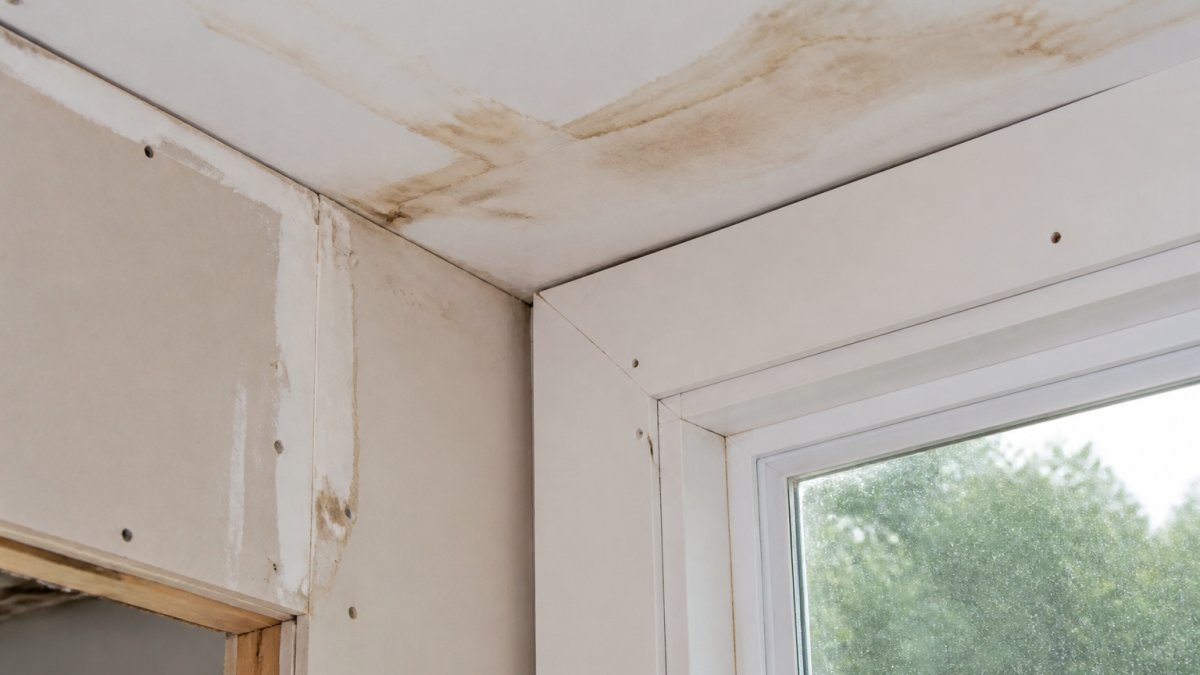
- Visible gaps between walls and ceilings
- Doors that don't close properly or stick
- Windows that are hard to open or close
- Cracks wider than 1/4 inch
- Sagging ceilings or visible bowing
Poor quality home renovation often includes cutting corners on framing. You won't see these problems until later, when they become expensive to fix.
How to Identify Shoddy Construction Work: Electrical and Plumbing Code Violations
The roofing-plumbing connection:
Roof penetrations for plumbing vents are a common source of leaks. If your renovation included roof work, verify that all vent pipes are properly flashed and sealed. Improper flashing around roof penetrations allows water to enter the attic, causing rot and mold that may not be visible until damage is extensive. Ask the contractor to show you photos of roof flashing work before the roof was closed up.
What requires professional inspection:
Request copies of all electrical and plumbing permits and final inspection sign-offs from the local building department. If permits were pulled but inspections were not completed, the work was not officially verified to meet code. This is a major red flag.
Tiling, Grout, and Flooring Installation Errors
Tile should be level and evenly spaced. Uneven grout lines show the installer rushed the job. Grout should be consistent in color and thickness. Cracked or missing grout allows water to seep behind tiles.
Check grout lines for gaps or cracks. These let moisture in, which causes mold and tile failure. Quality grout work takes time and skill. Poor quality home renovation skips this careful finishing.
Flooring must be properly secured. Walk across floors and listen for squeaks or movement. Loose boards or tiles mean the subfloor wasn't prepared correctly. This gets worse over time as the floor settles.
Flooring and tile problems:
- Lippage (tiles not level with each other)
- Hollow-sounding tiles when you tap them
- Grout that's crumbling or stained
- Visible gaps between tiles
- Buckling or warping in wood floors
Tile adhesion matters. Poor adhesion causes tiles to pop or crack. This is especially common in bathrooms where moisture is high. Quality installation uses proper thin-set mortar and allows it to cure fully.
Door, Window, and Cabinetry Alignment Problems
Doors should open and close smoothly without sticking. Misaligned doors indicate poor framing or installation. Gaps around door frames let in drafts and water. These gaps should be caulked and sealed.
Windows must operate smoothly and seal tightly. Stuck windows or ones that rattle suggest poor installation. Check that windows are level and square. Crooked windows won't close properly and waste energy.
Cabinet alignment shows the quality of finish carpentry. Doors should be level and flush with each other. Hardware should be straight and function smoothly. Misaligned cabinets indicate the contractor didn't take time on detail work.
Door, window, and cabinet issues:
- Visible gaps between frames and walls
- Doors or windows that stick or won't close
- Crooked or uneven cabinet doors
- Loose hinges or hardware
- Visible light coming through window frames
Poor quality home renovation often includes rushed installation of these visible elements. They're the first things you notice, so cheap shortcuts show immediately.
Home Inspection Checklist for Renovations: What to Verify
A professional inspection is essential, but before you hire an inspector, you can perform your own permit and documentation audit. This step alone catches many poor-quality renovations and is something most homeowners never think to do.
Verify permits and inspection records first:
Before scheduling a professional inspection, visit your local building department's website or office in person. Request all permits issued for the renovation project. Each permit should have a corresponding final inspection sign-off. If permits were pulled but inspections were not completed, the work was not officially verified to meet code, this is a critical red flag.
Document the permit numbers, dates issued, dates closed, and the scope of work listed on each permit. Compare this to what the contractor told you was done. If major work (electrical, plumbing, structural, roofing) was performed but no permit exists, the contractor cut corners to avoid inspection delays and fees. This creates liability for you as the homeowner and may void your homeowner's insurance coverage if an incident occurs.
Ask the contractor for a copy of the final inspection report from the building department. This report documents what was inspected and whether it passed or required corrections. If corrections were required, verify that they were completed and re-inspected. Missing or incomplete corrections indicate the contractor didn't finish the job properly.
What a professional home inspector should verify:
Hire a licensed home inspector to conduct a thorough post-renovation inspection. They should provide a detailed written report with photos. Key areas to have inspected include:
- Roof condition and flashing, If roofing work was done, inspect for proper installation, secure fastening, and watertight flashing around penetrations.
Document everything with photos and written notes:
Take photos of all areas before the contractor leaves the job site. If problems appear later, you'll have evidence of the original condition. Write down the date, time, and description of any defects you notice. If the contractor offers a warranty, get it in writing with specific terms: What is covered? For how long? What is the process for filing a claim?
Request a one-year follow-up inspection:
Many defects don't appear until after the first heating and cooling cycle, or after the first heavy rain. Schedule a follow-up inspection 12 months after renovation completion. This catches settling issues, moisture problems, and mechanical failures that weren't visible immediately. If defects are found, you still have time to pursue warranty claims or legal remedies while the work is recent.
Questions to Ask a Renovation Contractor Before Work Begins
Ask about experience with similar projects. How many renovations have they completed? Can they provide references you can call? Ask to see photos of completed work.
Clarify the timeline and what happens if they fall behind. Delays cost money and create stress. What's their policy on change orders? How will they handle unexpected issues?
Ask about insurance and licensing. Are they bonded? Do they carry liability insurance? Can they provide proof of current licenses? This protects you if something goes wrong.
Critical questions:
- Will you pull permits and handle inspections?
- What's included in your warranty?
- How do you handle mistakes or defects?
- Who's responsible for cleanup?
- What's your payment schedule?
- How often will I hear from you during the project?
Understand their quality standards. Do they use name-brand materials or cheap alternatives? Will they stand behind their work? A contractor who won't answer these questions is a red flag.
M7 LLC believes communication is essential. Before starting any renovation, both sides should agree on expectations, timelines, and quality standards. This prevents misunderstandings and ensures the work meets your needs.
Poor quality home renovation creates expensive problems that surface months or years later.
Frequently Asked Questions
What are the biggest red flags of poor quality home renovation?
The clearest warning signs include peeling or uneven paint coverage, visible gaps between trim and walls, misaligned doors and windows, loose or cracked grout lines, and electrical outlets that don't match code standards. Structural issues like settling cracks in new walls, soft or hollow-sounding drywall, and visible moisture damage also indicate rushed or improper installation. If your contractor skipped building permits or can't provide documentation, that's a major red flag that corners were cut on inspections and code compliance.
How can I tell if a home renovation was done poorly before hiring a contractor?
Ask your contractor for before-and-after photos of previous work and verify they pulled permits for those projects. Professional contractors document their work and stand behind material quality.
What questions should I ask a renovation contractor about their process?
Ask whether they'll pull permits and provide copies of inspections, how they ensure code compliance for roofing work, and what warranty they offer on materials and labor. Request a detailed timeline and ask how they handle delays. Ask for references from recent projects and permission to contact past clients. Find out their process for addressing problems discovered during work and who's responsible if something goes wrong, like hitting a utility line or foundation settling issues.
Should I be concerned about a quick renovation timeline?
Yes. Quality roofing projects require proper preparation, cure times for materials, and thorough inspections at each stage. A contractor promising to complete a full roofing renovation in 4-6 weeks is likely cutting corners on material quality, finishing work, or code compliance. Professional contractors build realistic timelines that account for drying times, inspections, and unexpected issues. If a contractor's estimate is significantly lower and faster than others, they may be using cheaper materials, skipping steps, or rushing installation, all signs of potential quality problems.