 how-to
Book Professional Site Excavation Services: Step-by-Step
Table of Contents
- Step 1: Define the Scope of Your Site Excavation Project
- Questions to Ask an Excavation Contractor Before You Book
- Utility Locating Before Excavation: A Non-Negotiable Step
- Your Site Preparation Checklist for a Smooth Excavation
- How to Compare Excavation Quotes and Avoid Costly Surprises
- Excavation Project Timeline: What to Expect Week by Week
- Conclusion: Book with Confidence
- Frequently Asked Questions
Last Updated: October 6, 2026
Step 1: Define the Scope of Your Site Excavation Project
A rough excavation for a new home pad is a different job than trenching for a water line. Mixing them into one vague request invites padded quotes.
Residential vs. Commercial Excavation Needs
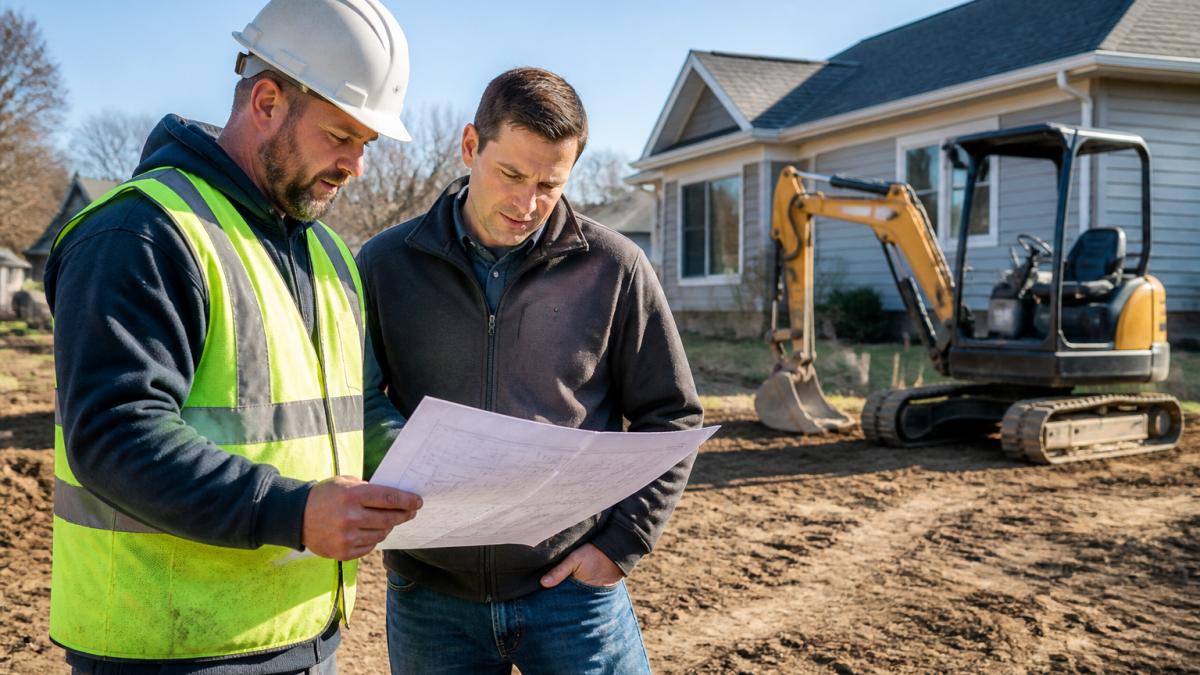
Residential excavation is usually smaller and faster. A new home build, an addition, or a backyard drainage fix can wrap up in days. Commercial projects involve larger equipment, tighter scheduling, and often more permitting.
For residential work, most homeowners need site grading, soil removal, and drainage solutions. Commercial jobs typically add land clearing, demolition, and significant earthmoving.
If you're a property manager overseeing a multi-unit complex, your needs often sit between the two. You may need trenching for utilities plus regrading around existing structures.
Questions to Ask an Excavation Contractor Before You Book
Booking site preparation for a roofing project is not the same as booking it for a new driveway. The crew will be working around your roofline, your gutters, and your foundation drainage, so the questions you ask need to surface roofing-specific experience, not just general dirt-moving capability.
Use this sequence. It moves from research to signed agreement so nothing gets skipped.
1. Research phase (before you call anyone)
- Confirm the contractor handles roofing-adjacent site work: foundation drainage, regrading around a structure, trenching for downspout lines, and access prep for roofing equipment.
- Check the state licensing board or your local building department for an active license. Most states require site work contractors to hold a specific classification.
- Pull the contractor's insurance certificate directly from the insurer, not from a PDF the contractor emails you.
2. Screening call (10 to 15 minutes)
- "Have you excavated around an occupied home while roofing work was happening on the same property?"
- "How do you protect existing gutters, downspouts, and foundation waterproofing during digging?"
- "Who pulls the permit, and who calls 811?"
- "What is your process if you hit rock, a private utility line, or unstable soil near the foundation?"
3. Site visit (before any quote is written)
- The contractor should walk the property, not quote from a satellite image.
- They should identify equipment access, spoils stockpile location, and how roofing materials or a dumpster will reach the roof without blocking the excavation zone.
- They should note any private lines: irrigation, septic, pool, detached garage feeds, and downspout drainage.
4. Written proposal review
- Scope, exclusions, schedule, payment schedule, and change-order process should all be in writing.
- The proposal should name the equipment class (mini excavator vs. full-size) because that determines access and timeline.
5. Contract and scheduling
- Confirm the start window, weather contingency, and who is responsible for restoring landscaping.
- Get the certificate of insurance and the 811 ticket number before the first bucket hits the ground.
Credentials, Insurance, and Safety Records
Ask for a certificate of insurance showing general liability and workers' compensation coverage. If a crew member gets hurt on your property without coverage, the problem lands on you. For roofing-adjacent site work, general liability limits should be high enough to cover structural damage to the home, not just the dirt work.
Verify the license number through your state's contractor licensing database. Most states publish this online and it takes two minutes.
Safety records matter too. A contractor who can't describe their utility-locating process or their plan for working near gas and power lines isn't ready for your job.
Utility Locating Before Excavation: A Non-Negotiable Step
Utility locating before site preparation is the process of marking underground gas, electric, water, sewer, and communications lines before any digging starts. Skip it and you risk hitting a line, which can mean outages, injury, and expensive repairs.
In most areas, you or your contractor must contact the state's 811 service before digging. The 811 Call Before You Dig service coordinates free marking of public lines. Note the word public: private lines on your own property, like a line to a detached garage, are usually your responsibility to locate.
Your Site Preparation Checklist for a Smooth Excavation
A clean site prep keeps the job moving. Use this checklist before the excavator arrives:
- Confirm utility marks are visible and documented with photos
- Clear vehicles, debris, and landscaping from the work zone
- Mark irrigation heads, septic components, and private lines
- Confirm equipment access and gate widths
- Agree on where spoils (removed soil) will be stockpiled
- Verify drainage paths won't be blocked during work
Access, Drainage, and Soil Considerations
Access decides what equipment can reach your lot. A narrow driveway may mean smaller machines and a longer timeline.
Drainage is where cheap jobs fail. If grading pushes water toward your foundation instead of away from it, you'll be fixing a wet basement later. Soil conditions matter just as much. Clay holds water; sandy soil drains fast but shifts. A good contractor tests before promising.
How to Compare Excavation Quotes and Avoid Costly Surprises
Comparing site preparation quotes means comparing scope, not just the bottom number. The cheapest bid often excludes utility locating, hauling, or final grading, then adds them back as change orders. On a roofing project, the stakes are higher because poor drainage or a disturbed foundation can void roof warranties and cause water intrusion long after the crew leaves.
Ask every contractor to itemize these line items. If any are missing, the quote is incomplete.
- Mobilization and equipment class (mini vs. full-size)
- Clearing, grubbing, and topsoil stripping
- Soil removal, stockpiling, or haul-away
- Rough grading and final grading
- Compaction and soil testing
- Drainage and erosion control
- Trenching for downspout lines or foundation drains
- Protection of existing roof drainage components
- Permits and 811 coordination
- Restoration of landscaping and access surfaces
| Quote Factor | What to Check | Why It Matters for a Roofing Project |
|---|---|---|
| Scope detail | Line-item breakdown | Reveals hidden extras that appear as change orders |
| Utility locating | Included or excluded | Avoids surprise fees and protects against line strikes |
| Soil handling | Stockpile or haul away | Big cost swing; on-site stockpile can block roof access |
| Drainage plan | Included or add-on | Prevents water from pooling near the foundation and roof edge |
| Roof drainage tie-in | Downspout and gutter protection | Disturbed drainage can void roof warranties |
| Timeline | Start and finish dates | Protects your roofing schedule and material deliveries |
| Restoration | Landscaping and surface repair | Often excluded and expensive to add later |
Red flags in a low quote
- No mention of 811 or utility locating
- "Grading included" with no compaction or testing line
- No named equipment class
- No restoration line
- Verbal-only scope
Red flags in a high quote
- Padded mobilization for a small residential job
- Haul-away charged when on-site stockpile would work
- Drainage priced as a separate add-on when it is essential to the roof system
If one quote is far lower, find out what is missing before you celebrate. If one is far higher, ask which line items are driving the difference. A contractor who cannot explain their own numbers is not a contractor you want near your foundation.
Excavation Project Timeline: What to Expect Week by Week
Most residential site preparation projects run one to three weeks, depending on size and soil. Here's a realistic breakdown for a typical new-build pad:
- Week 1: Permits confirmed, utilities marked, site cleared, and rough site preparation begins.
- Week 2: Grading, leveling, and drainage work; soil tested and compacted.
- Week 3: Final grading, erosion control, and inspection before foundation work.
Weather, rock, and permit delays can stretch this. A contractor who gives you exact dates without caveats is guessing.
Conclusion: Book with Confidence
Site preparation goes wrong when scope, utilities, and drainage get rushed. Handle those three and you'll avoid the delays and surprise costs that frustrate most property owners.
M7 LLC brings professional construction and landscaping services together for exactly this kind of work. Our comprehensive site preparation, durable grounds work, and high-quality new construction support are built to last, so your project starts on solid ground.
Get started with M7 LLC and book site preparation services with a team that plans the job before the first bucket hits the dirt.
Frequently Asked Questions
How much does professional site excavation cost?
Excavation pricing depends on the size of the site, soil conditions, access, and the scope of work such as land clearing, grading, or trenching. Because every project is different, most contractors provide a free on-site estimate after reviewing your plans. M7 LLC offers detailed quotes based on your specific site conditions and project requirements.
What should I ask before booking excavation services?
Ask about licensing, insurance, and experience with projects similar to yours. Request a written scope of work, a clear timeline, and how they handle unexpected issues like hitting a utility line. Also confirm who is responsible for permits and utility locating. A reputable contractor will answer these questions openly and provide references from past clients.
Do I need permits before starting site excavation?
Permit requirements vary by location and project type. Most residential and commercial excavations require a grading or building permit, and some areas have additional erosion control rules. Your contractor should know local requirements and can often handle the paperwork. Always confirm before any digging begins to avoid fines or stop-work orders.
How long does residential site excavation take?
A typical residential excavation for a new home takes one to three weeks, depending on lot size, soil conditions, and weather. Land clearing and grading may add time. Your contractor should provide a written schedule with milestones. Delays can happen from rain, utility conflicts, or unexpected soil issues, so build a buffer into your overall construction timeline.