 how-to
How to Prevent Soil Erosion in Landscaping
Table of Contents
- Assess Your Erosion Risk Before You Start
- How to Control Erosion in Your Yard with Ground Cover
- Plants for Erosion Control on Slopes
- Will Gravel Stop Erosion? Mulch and Hardscape Solutions
- Yard Drainage Solutions for Erosion Prevention
- Stabilizing Slopes and Hillsides
- Installation and Maintenance Steps
- When to Call a Professional
- Frequently Asked Questions
Last Updated: October 23, 2026
Assess Your Erosion Risk Before You Start
Take note of your site's drainage patterns. Where does water naturally flow during storms? Does it sheet across the surface or concentrate into streams? Does water pool in low spots, or does it drain quickly? These observations tell you whether your primary problem is surface runoff, concentrated water flow, or simply exposed bare ground. Understanding your specific erosion pattern guides which solutions will actually work for your property.
How to Control Erosion in Your Yard with Ground Cover
Ground cover also reduces maintenance compared to bare mulch or gravel, which can shift during heavy rain. Once established, most ground cover plants require minimal watering and mowing. They improve soil health over time as organic matter accumulates, and they provide habitat for beneficial insects and pollinators.
Plants for Erosion Control on Slopes
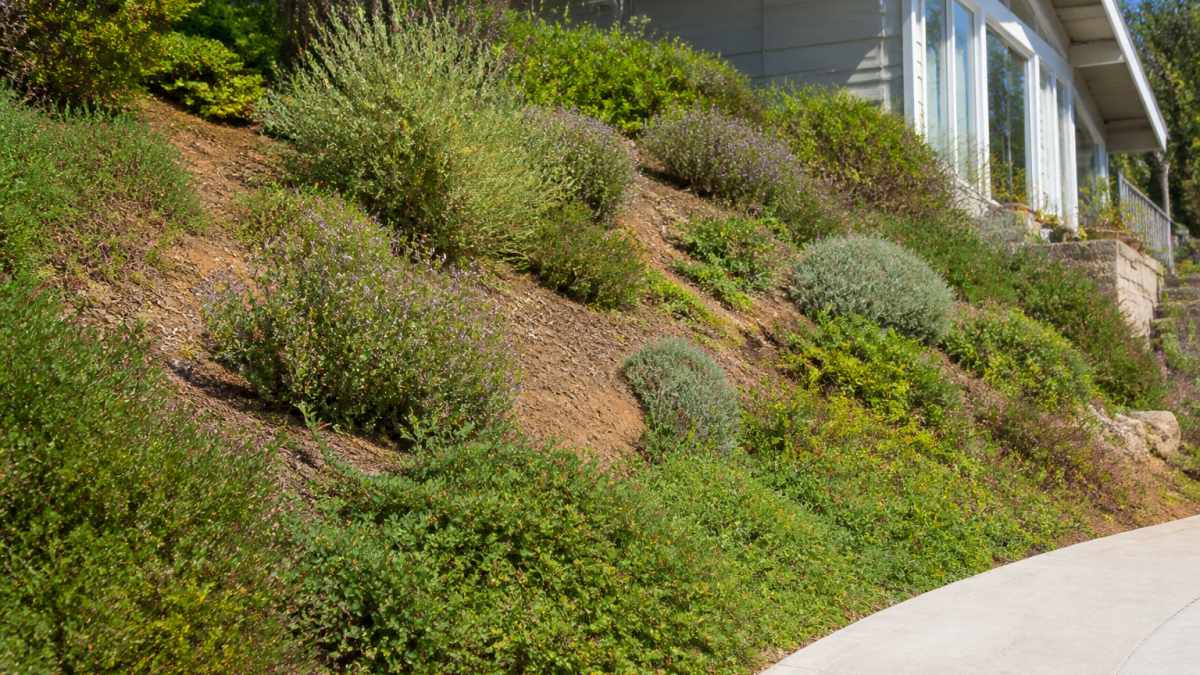
For steep slopes, prioritize plants with deep root systems that anchor soil well below the surface. Shrubs like native viburnums, dogwoods, and serviceberry develop extensive root networks that stabilize soil against heavy water flow. Combine these with ground cover plants that protect the immediate soil surface. This layered approach, deep roots plus surface protection, is more effective than either strategy alone.
Choosing Native Plants for Your Climate
Research which plants grow naturally in your region's woodlands, prairies, or wetlands. These species already know how to survive local droughts, floods, and temperature swings. They also support local insects and wildlife, which creates a more resilient ecosystem on your property. Contact your local extension office or native plant society for species recommendations specific to your area and soil type.
Deep Root Systems That Anchor Soil
Shrubs like native hickories, oaks, and maples develop deep taproots that can extend several feet into the soil. Legumes like native locusts and redbuds fix nitrogen while anchoring soil with deep roots. Grasses with fibrous root systems create a dense network that holds soil together. The combination of deep anchoring roots and surface protection creates a complete erosion defense.
Will Gravel Stop Erosion? Mulch and Hardscape Solutions
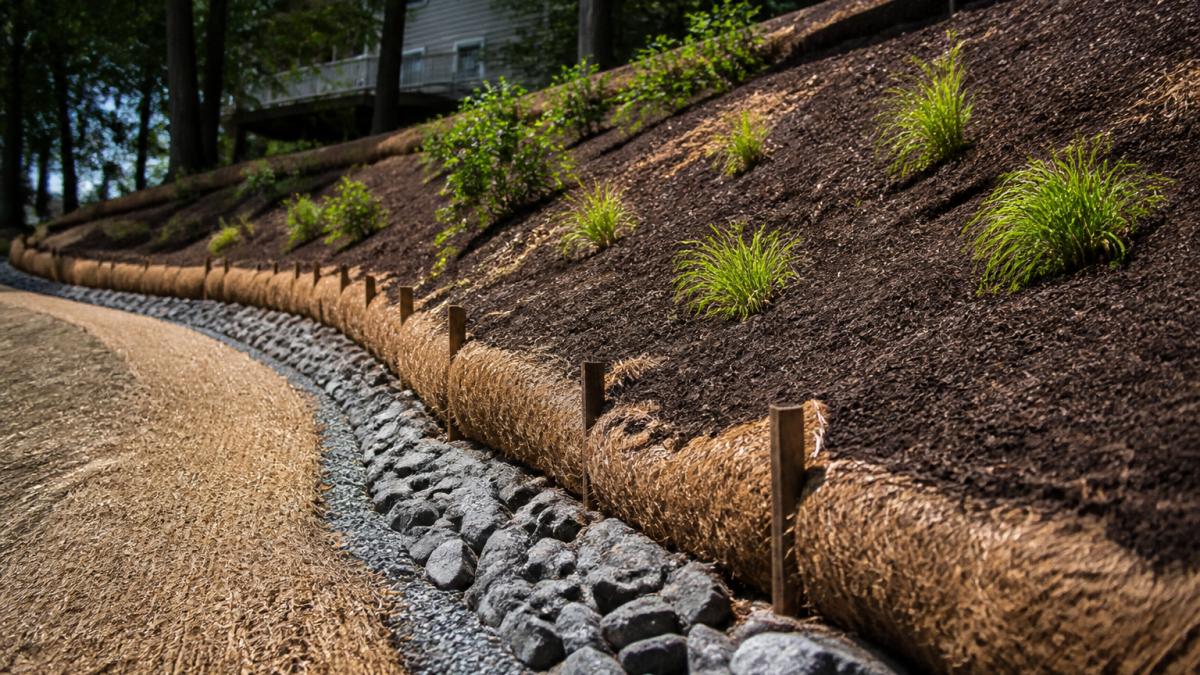
Hardscape should be designed so water has a safe path away from the house. A shallow swale, dry creek bed, or gravel trench along the drip line can carry roof runoff to a planted area or storm drain without scouring soil. If you are unsure where roof runoff goes during a storm, walk the property during heavy rain and trace the flow before choosing materials.
Yard Drainage Solutions for Erosion Prevention
The simplest drainage solution is grading, reshaping your yard so water flows away from structures and toward planted areas or drainage swales. Even a slight slope (2-5%) makes a significant difference in how water moves across your property. If you have low spots that collect water, consider installing a French drain or dry creek bed to redirect flow.
Redirecting Water Flow and Slowing Runoff
Swales, shallow, vegetated channels, slow water flow and allow infiltration. Rain gardens collect runoff and let it soak into the ground over several hours rather than running off immediately. Terracing breaks long slopes into shorter segments, reducing the distance water can accelerate before hitting the next level. Mulch and ground cover also slow surface runoff by creating friction that resists water movement.
Stabilizing Slopes and Hillsides
For very steep slopes or areas with severe erosion, consider professional grading and drainage design. Improper slope stabilization can lead to deeper problems, soil slumping, water damage to foundations, or loss of property. Professional assessment ensures your slope is stable and properly drained before you invest in plantings.
Installation and Maintenance Steps
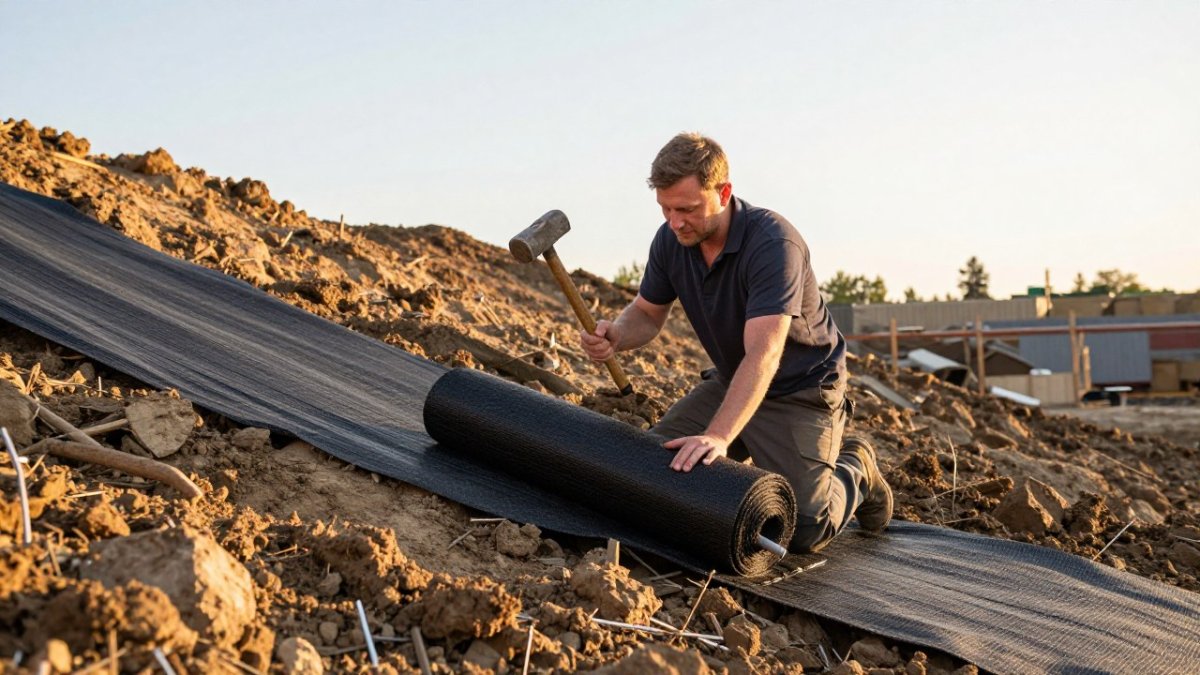
Successful erosion control requires proper installation and ongoing maintenance. Most failures happen because plants are installed incorrectly, mulch isn't maintained, or drainage systems become clogged.
Step-by-Step Installation Guide
- Water thoroughly. New plants need consistent moisture to establish. Water deeply after planting and maintain moisture for the first growing season while roots develop.
Maintaining Your Erosion Control System
Check drainage systems regularly. Swales can become blocked by debris or sediment; clear them to maintain water flow. French drains can clog with soil particles; inspect and clean them annually. Terraces may develop cracks or settle unevenly; monitor them and repair damage before it worsens.
When to Call a Professional
Professional solutions often cost less than repeated DIY repairs that do not solve the underlying problem. The right fix addresses the cause, concentrated runoff, unstable slope, or poor infiltration, rather than only the visible symptom.
Frequently Asked Questions
How do you prevent soil erosion?
Prevent soil erosion by combining multiple methods: plant vegetation with deep root systems to anchor soil, apply mulch to protect topsoil, manage water flow to slow runoff, and stabilize slopes with hardscape or erosion-control blankets. Site conditions determine which combination works best. Professional assessment identifies your specific erosion risks and the most effective solution for your landscape.
Will gravel stop erosion?
Gravel alone provides limited erosion control because water can still displace individual stones. Gravel works best when combined with vegetation, landscape fabric, or erosion-control mesh underneath. It slows water flow and protects topsoil from direct rainfall impact, but deep-rooted plants or mulch offer more lasting protection. For slopes, consider gravel as part of a layered approach rather than a standalone solution.
What plants are best for preventing erosion on a slope?
Native shrubs and ground cover with deep root systems are most effective on slopes. Choose species adapted to your climate and soil conditions. Deep roots anchor soil and increase stability during heavy rain. Ground cover plants create dense vegetation that slows water runoff and protects bare ground from direct rainfall. Native plants require less maintenance and adapt better to local conditions than non-native species.
How can you prevent erosion during heavy rain?
Heavy rain accelerates soil erosion through increased surface runoff and water velocity. Slow and redirect rainfall by installing drainage systems, grading slopes properly, and planting vegetation to absorb water. Mulch reduces the impact of rain hitting exposed soil. Erosion-control blankets protect newly planted areas during their first growing season. Proper site preparation and drainage design are critical before heavy rain events occur.