 blog
Common Mistakes in Home Construction Projects
Table of Contents
- Poor Project Planning and Preparation
- Inadequate Budgeting and Inaccurate Cost Estimates
- Ignoring Permits, Approvals, and Building Codes
- Choosing a Contractor Without Sufficient Research
- Common Roof Installation Mistakes
- Signs of Poor Roofing Workmanship and How to Inspect a New Roof
- Failing to Control Scope and Manage Change Orders
- Frequently Asked Questions
Last Updated: October 18, 2026
Poor Project Planning and Preparation
Skipping the planning phase is one of the common mistakes in home construction projects, especially on a roofing project.
Before any crew arrives, define your roofing scope clearly. What exactly is being repaired, replaced, or installed? Write it down. Get detailed drawings or manufacturer specifications. Know your roof layout, pitch, deck condition, and how it affects access and staging.
Here's what to include in your roofing plan:
- Clear project timeline with realistic dates, including weather-dependent windows
- Detailed scope of work (what's included, what's not, tear-off, decking, flashing, ventilation)
- Roof assessment for deck integrity, existing layers, drainage, and penetrations
- Decision on whether you'll pull permits yourself or have the contractor handle them
- Communication plan with your contractor, including decision deadlines
- Material selection locked in before work begins (shingle type, underlayment, ice-and-water shield)
A common mistake is underestimating how long roofing takes. Weather delays, material lead times, and unexpected deck rot all add time. Build buffer room into your schedule, especially if your project falls in a rainy or storm-prone season.
Roofing-Specific Planning Checkpoints
Competitors rarely give you phase gates. Use these checkpoints to catch planning errors before they become construction mistakes:
- Pre-bid site walk: Confirm deck condition, number of layers to remove, and penetration count. If a contractor bids without walking the roof, the estimate is a guess.
- Material lead-time check: Verify shingle and accessory availability before signing. A locked schedule with unavailable materials is a planning failure.
- Permit and inspection map: Identify which inspections apply (decking, underlayment, final) and when they occur. Missing an inspection can stall the project.
- Weather contingency window: Build at least 3-5 weather days into the schedule for tear-off and dry-in phases.
- Decision deadline calendar: Set dates for color selection, ventilation upgrades, and flashing details so crews aren't waiting on you.
Site Protection and Safety Planning
A planning gap competitors miss is site protection. Before tear-off, plan for:
- Worker safety: fall protection, ladder staging, and roof access points
- Homeowner safety: keeping children and pets away from the work zone
- Property protection: tarping landscaping, protecting siding and gutters from debris
- Temporary utilities and material staging so deliveries don't block access
A roofing project that starts without a site protection plan often ends with damaged siding, clogged gutters, or a safety incident, costs that were never in the budget.
Inadequate Budgeting and Inaccurate Cost Estimates
Many homeowners create a roofing budget based on guesses or what a neighbor paid. That approach rarely works. Roofing costs vary based on material grade, deck condition, roof pitch and complexity, labor rates, and local market demand.
Get written estimates from multiple roofing contractors. A proper estimate includes labor, materials, equipment rental, permits, and contingency.
Common mistakes in roofing budgeting:
- Forgetting to include permits, inspections, and disposal fees for old materials
- Not accounting for deck repair or replacement discovered during tear-off
- Underestimating material costs for quality shingles, underlayment, and ice-and-water shield
- Leaving no contingency buffer for hidden rot, code upgrades, or ventilation fixes
- Ignoring the cost of design or structural repairs if the deck is compromised
Set aside a contingency fund, typically 10-20% of your total roofing budget. This covers surprises like discovering rotted decking during tear-off or flashing issues requiring extra work. Without it, you'll scramble when problems arise.
Change Orders and Scope Control on Roofing Projects
Competitors rarely explain how late changes affect roofing cost and schedule. A change order is a written agreement that documents:
- What's being changed (e.g., adding ridge ventilation, upgrading underlayment)
- How it affects cost
- How it affects timeline
- Both parties' signatures and dates
Never approve roofing changes verbally. Get them in writing. Verbal agreements create confusion and disputes, especially when deck damage is discovered mid-project.
Common roofing scope problems:
- Contractor discovers deck rot or code deficiencies requiring extra work
- Homeowner requests upgrades mid-project (better shingles, added skylights)
- Unclear original specifications leading to different expectations about flashing or ventilation
- Contractor interpreting scope differently than intended (e.g., reusing existing flashing vs. replacing it)
A Simple Change-Order Process
Use this process to keep roofing projects on track:
- Document the discovery: Photo and written description of the condition (e.g., soft decking, failed flashing).
- Get a written change order: Itemized cost and schedule impact before work proceeds.
- Approve in writing: Signature and date from both parties.
- Update the schedule: Reflect the change in the project timeline and inspection plan.
- File it: Keep a copy with the contract and warranty documents.
Regular communication prevents most problems. Weekly check-ins let you catch issues early. If something doesn't match your expectations, address it immediately rather than waiting until completion.
M7 LLC emphasizes clear communication and detailed documentation throughout every roofing project. When scope is defined clearly and changes are managed properly, projects stay on track and relationships stay positive.
Ignoring Permits, Approvals, and Building Codes
Building permits exist for safety. They ensure your project meets local building codes and zoning requirements. Skipping permits creates legal problems and can void your home insurance.
Before starting work, research what permits your project needs. Most jurisdictions require permits for:
- New construction or major additions
- Structural changes or load-bearing wall removal
- Electrical and plumbing work
- Roof replacement or major repairs
- Foundation work or site grading
The permit process takes time. Allow 2-8 weeks depending on your location and project complexity. Inspections happen at key stages, foundation, framing, electrical, plumbing, and final approval.
Building codes cover safety standards for structural integrity, electrical systems, plumbing, and fire safety. They exist because past failures taught hard lessons. Following them protects your family and your investment.
Choosing a Contractor Without Sufficient Research
Your contractor makes or breaks your project. A poor choice leads to delays, quality issues, and conflict. A good one delivers on time and on budget.
Don't pick a contractor based on price alone or because they're available immediately. Do your homework.
Steps for contractor selection:
- Get at least three written quotes
- Check licenses and insurance (verify they're current and valid)
- Ask for references, call at least three past clients
- Request photos of completed projects similar to yours
- Review online ratings and complaints with your state's contractor board
- Meet in person and assess communication style
- Confirm they understand your project scope
Ask references specific questions: Did the contractor finish on time? Was the work quality good? Did communication stay clear? Would they hire this contractor again?
A contractor who won't provide references or seems evasive is a red flag. Legitimate professionals are proud of their work and happy to prove it.
Common Roof Installation Mistakes
Roofing is one of the most critical parts of your home. Poor installation leads to leaks, water damage, and expensive repairs. Understanding common roof installation mistakes helps you catch problems early.
The most frequent errors include improper flashing around chimneys, vents, and valleys. Flashing is the metal trim that directs water away from vulnerable areas.
Other common mistakes:
- Using incorrect fastener spacing or wrong nail types
- Failing to remove old roofing before installing new material
- Poor ventilation or inadequate attic airflow
- Cutting corners on underlayment or ice-and-water shield
- Rushing installation during poor weather conditions
- Misaligned shingles or improper overlap
- Not sealing roof penetrations (vents, skylights, antennas)
Quality matters. Cheap materials and rushed installation save money upfront but cost far more in repairs later. A roof should last 20-30 years with proper installation and maintenance (Resources). Poor work fails in 5-10 years.
Signs of Poor Roofing Workmanship and How to Inspect a New Roof
After your roof is installed, inspect it carefully. Catching problems early prevents water damage and structural issues.
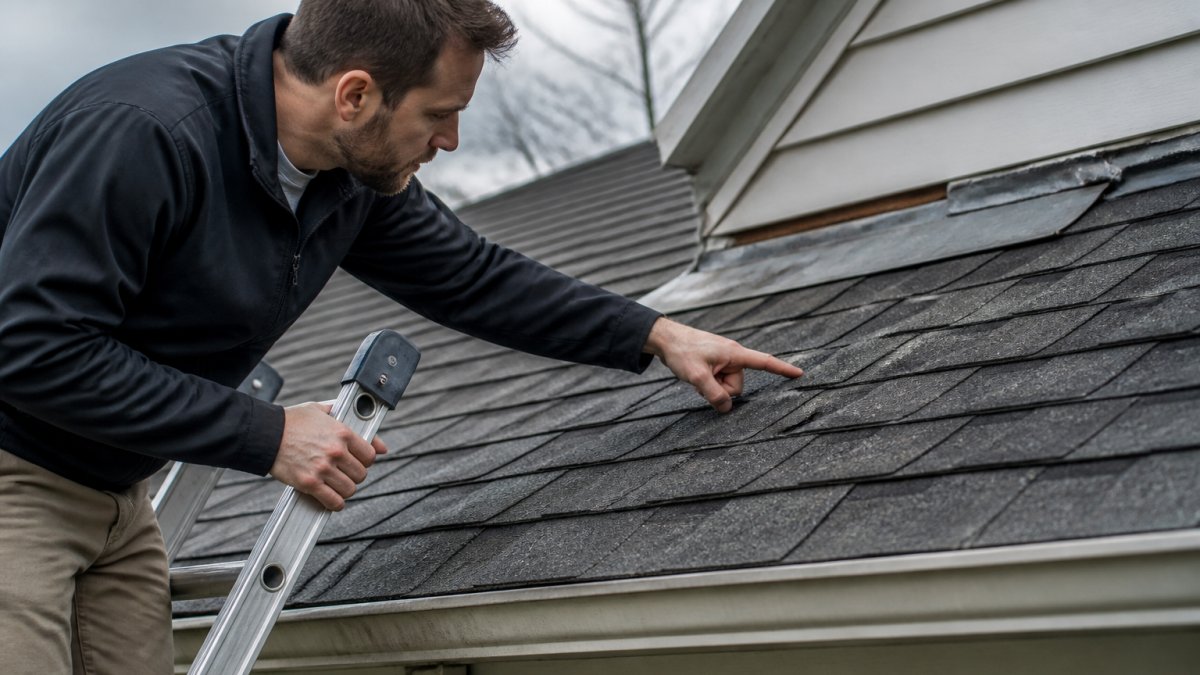
Signs of poor roofing workmanship include visible gaps or lifted shingles, crooked or misaligned rows, exposed nail heads, and improper flashing sealing.
Check from the ground first with binoculars. Look for:
- Shingles that aren't aligned in straight rows
- Gaps between shingles or flashing
- Exposed nails or fasteners
- Debris or loose material
- Water stains on soffit or fascia boards
If you notice problems, document them with photos. Contact your contractor immediately. Reputable contractors stand behind their work and fix defects under warranty.
Roofing Inspection Checklist for Homeowners
Use this checklist during and after roof installation:
- Shingles are aligned in straight rows with consistent overlap
- Flashing around all penetrations is sealed and properly installed
- No exposed nails or fasteners visible
- Gutters and downspouts are clean and properly attached
- Soffit and fascia show no water stains or damage
- Roof surface is clean with no debris or leftover materials
- Valleys and edges are properly sealed
- Attic ventilation is clear and functional
- Ice-and-water shield is installed in vulnerable areas
- Contractor provides warranty documentation in writing
This roofing inspection checklist for homeowners gives you a framework for evaluating work quality. Take photos during each inspection phase so you have documentation if issues arise later.
Failing to Control Scope and Manage Change Orders
Scope creep destroys budgets and timelines.
Before work begins, get a detailed scope of work in writing.
When changes are necessary, handle them formally. A change order is a written agreement that documents:
- What's being changed
- How it affects cost
- How it affects timeline
- Both parties' signatures and dates
Never approve changes verbally. Get them in writing. Verbal agreements create confusion and disputes.
Common scope problems:
- Contractor discovers issues requiring extra work (hidden damage, utility conflicts)
- Homeowner requests additions mid-project
- Unclear original specifications leading to different expectations
- Contractor interpreting scope differently than intended
Regular communication prevents most problems. Weekly check-ins let you catch issues early.
M7 LLC emphasizes clear communication and detailed documentation throughout every project.
Common mistakes in home construction projects involve countless decisions and moving parts.
Start with a solid plan and realistic budget. Research your contractor thoroughly. Prioritize quality and proper installation, especially for critical elements like roofing.
M7 LLC brings professional expertise to every phase of construction and roofing work. When you're ready to move forward with your home construction or roofing project, contact M7 LLC for a consultation to discuss how we can help you avoid these common mistakes and build something built to last.
Frequently Asked Questions
What are the most common mistakes during roof installation?
The most common roof installation mistakes include improper nailing patterns, inadequate ventilation, poor flashing installation around penetrations, and using substandard materials. Incorrect slope or drainage setup can cause water pooling and leaks. Rushing the installation timeline often leads to cutting corners on critical steps. Hiring inexperienced installers or failing to verify contractor credentials increases the likelihood of these errors occurring on your project.
How can you tell if a roof was installed incorrectly?
Signs of poor roofing workmanship include visible gaps between shingles, misaligned or lifted shingles, improper flashing around vents and chimneys, and sagging sections. Look for nail heads that are exposed, crooked, or driven at incorrect angles. Poor ventilation may show as moisture stains in the attic or premature granule loss. Water stains on interior ceilings after rain indicate installation defects. Have a professional inspector evaluate the roof if you notice any of these warning signs.
What should homeowners check during a roof inspection?
When inspecting a new roof, check that shingles are properly aligned, nailed correctly with heads flush to the surface, and fully adhered. Verify flashing is sealed around all penetrations like vents, chimneys, and skylights. Confirm proper ventilation exists at the soffit and ridge. Look for debris, debris dams, or standing water that could cause drainage problems. Inspect the attic for moisture, proper ventilation, and insulation placement. Document the condition with photos and request a detailed inspection report from your contractor.
Why is contractor communication important in home construction?
Clear communication prevents misunderstandings about scope, timeline, and quality standards. Regular updates help you catch problems early before they become costly rework. A responsive contractor who explains decisions and addresses concerns builds trust and reduces conflicts. Establish a communication schedule upfront, weekly check-ins, site visits, or progress photos, so you stay informed. Written documentation of agreements, changes, and approvals protects both you and the contractor if disputes arise later.